 English
 русский
 Español
 عربى
عربى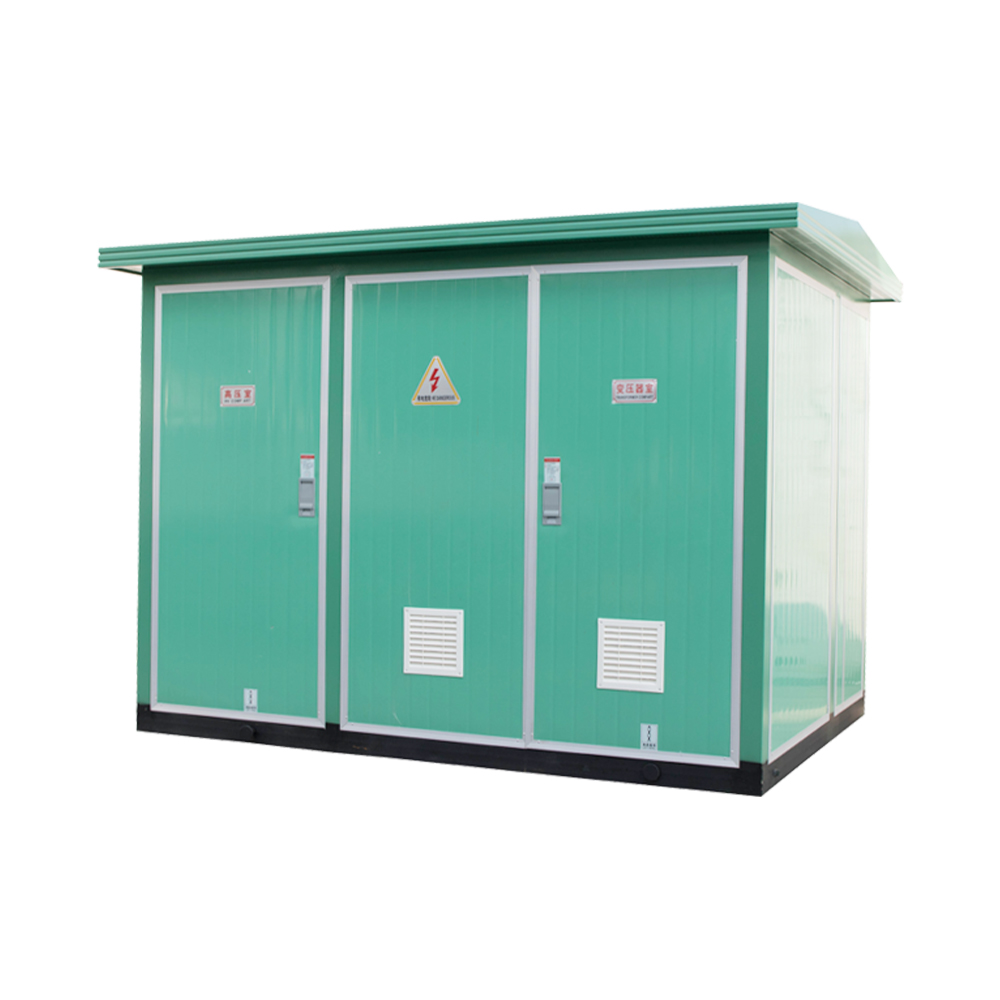
Compact substations are factory-assembled, enclosed units that integrate a transformer, high-voltage switchgear, and low-voltage distribution equipment within a single metal enclosure. They are designed for outdoor installation at ground level or on concrete pads, serving distributed load points in urban and rural networks. Voltage ratings typically cover primary levels from 6 kV to 35 kV and secondary levels at 0.4 kV. The transformer compartment may contain oil-filled or dry-type units with ratings from 100 kVA to 2,500 kVA. The enclosure construction complies with IEC 62271-202 and GB/T 17467 standards, providing degrees of protection such as IP23 to IP54. Internal compartments are segregated into high-voltage, transformer, and low-voltage sections with interlocking mechanisms. Cooling is achieved through natural ventilation or forced-air circulation. These units are applied in residential complexes, commercial centers, industrial parks, and temporary construction sites where space constraints or rapid deployment are factors. Maintenance includes periodic inspection of insulation levels, switchgear operation, and enclosure integrity.
About
Jiangsu Hengyuan Transformer Co., Ltd.
Jiangsu Hengyuan Transformer Co., Ltd. is dedicated to providing safe, efficient, and reliable power equipment solutions for power systems, industrial sectors, and infrastructure projects. We are China Compact Unit Substation Manufacturers and Custom
Compact Substation Factory.
We specialize in the R&D and manufacturing of power equipment, with main products including oil-immersed power transformers, dry-type transformers, combined transformers, high/low-voltage prefabricated substations, switchgear, cable branch boxes, power distribution boxes, and complete electrical equipment systems.
The company is among the first group of recommended manufacturers for urban and rural power grid construction and upgrading by the National Economic and Trade Commission of China.
Over the years, our products have been widely used in power systems across Jiangsu, Anhui, Shanghai, Jiangxi, Fujian, Zhejiang, Guangxi, Hebei, and other regions in China.
We specialize in the R&D and manufacturing of power equipment, with main products including oil-immersed power transformers, dry-type transformers, combined transformers, high/low-voltage prefabricated substations, switchgear, cable branch boxes, power distribution boxes, and complete electrical equipment systems.
The company is among the first group of recommended manufacturers for urban and rural power grid construction and upgrading by the National Economic and Trade Commission of China.
Over the years, our products have been widely used in power systems across Jiangsu, Anhui, Shanghai, Jiangxi, Fujian, Zhejiang, Guangxi, Hebei, and other regions in China.
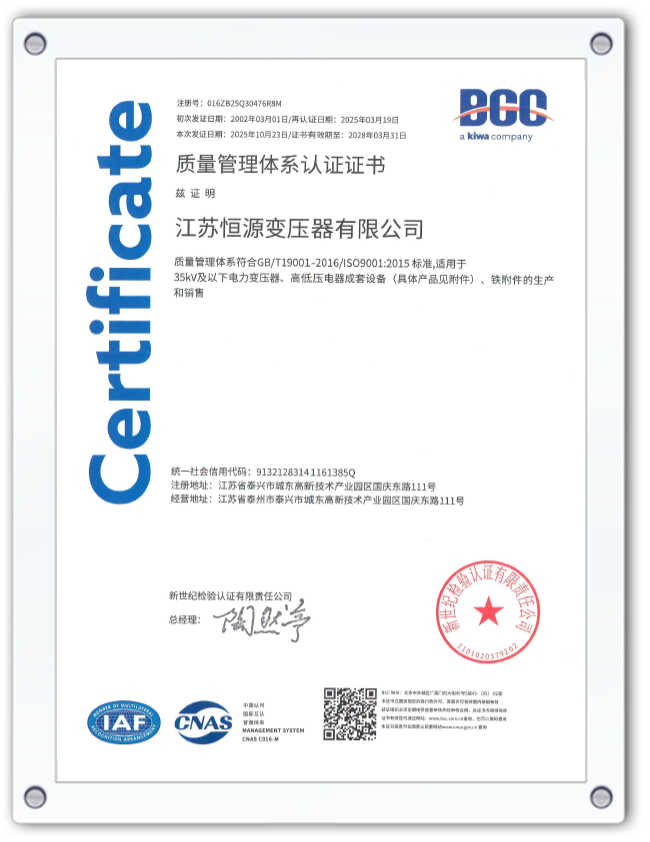
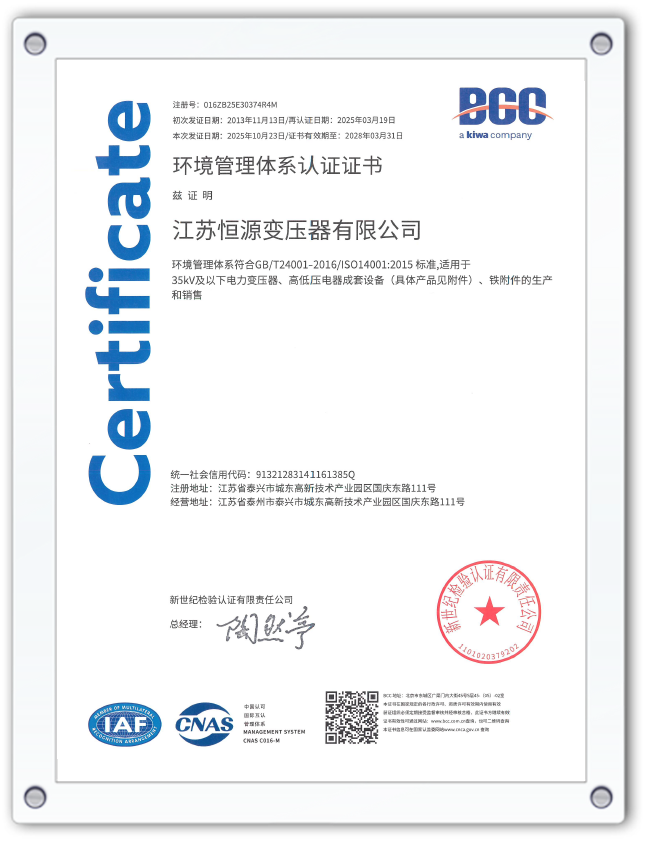
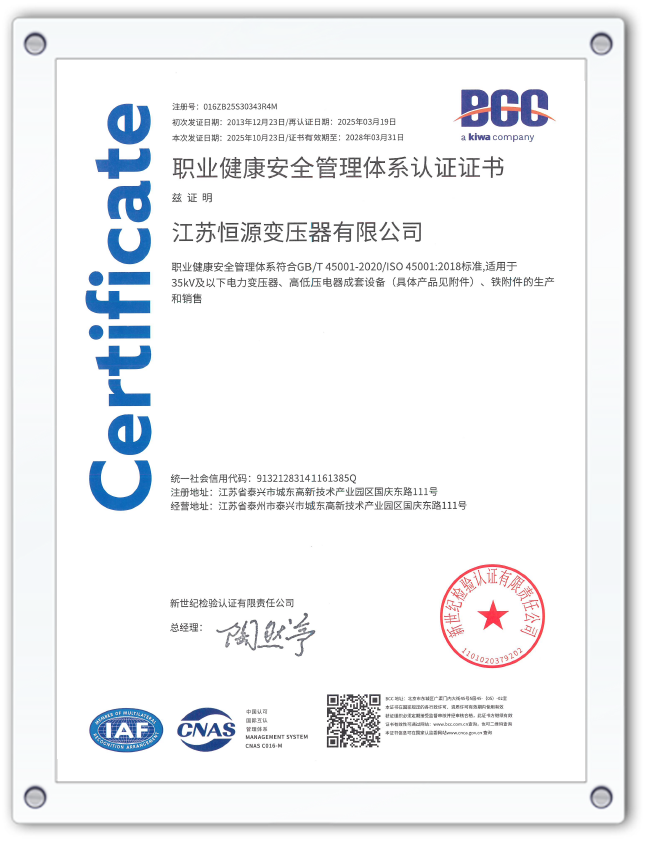
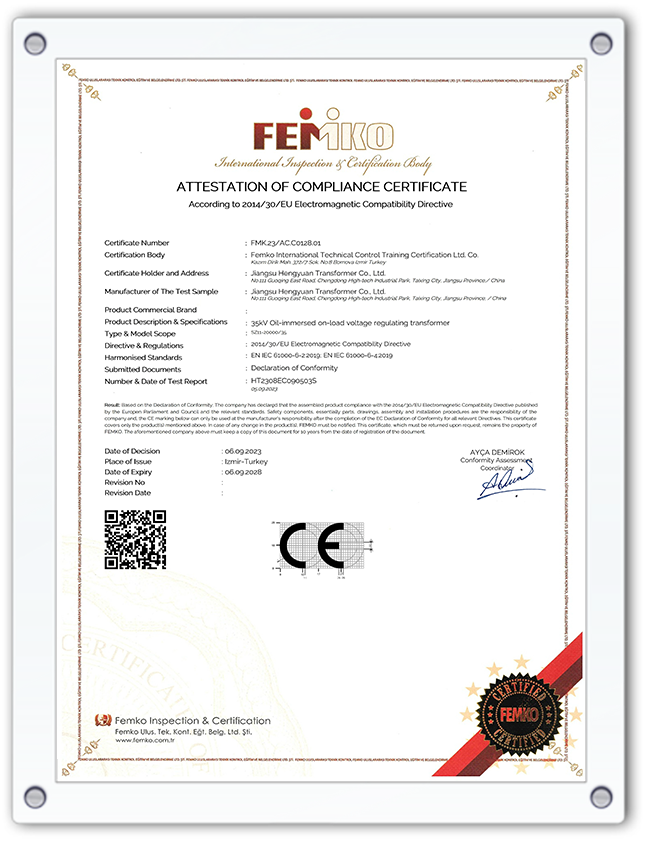
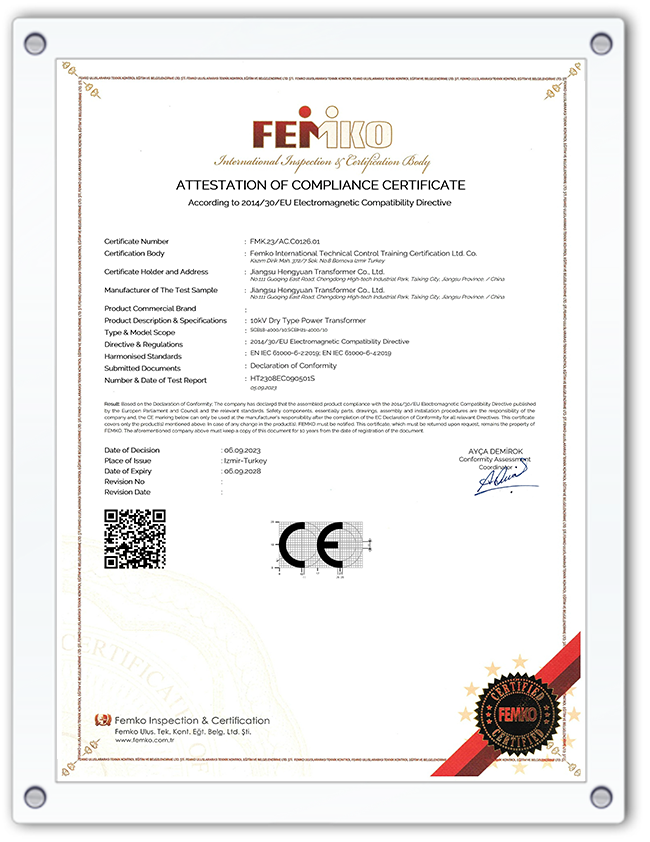
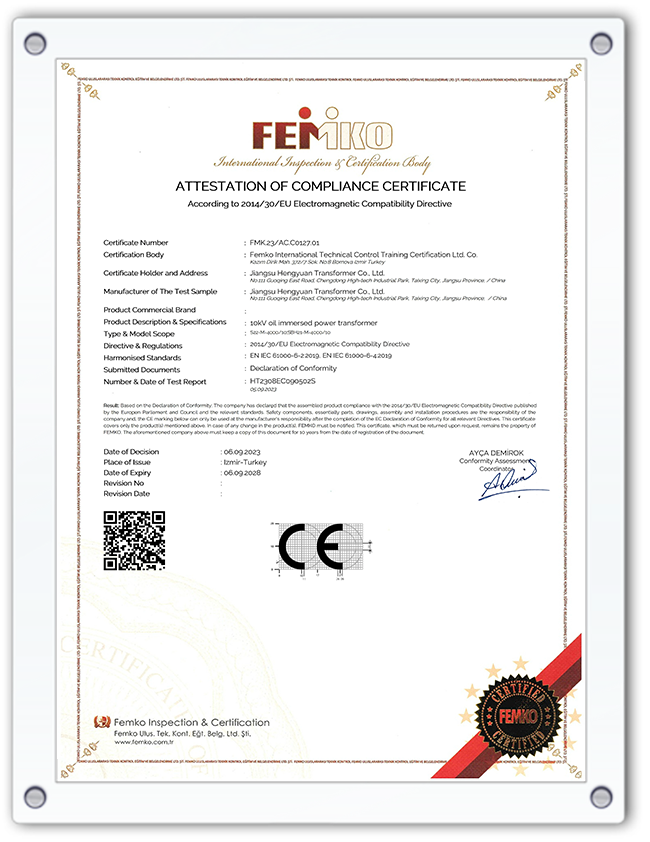
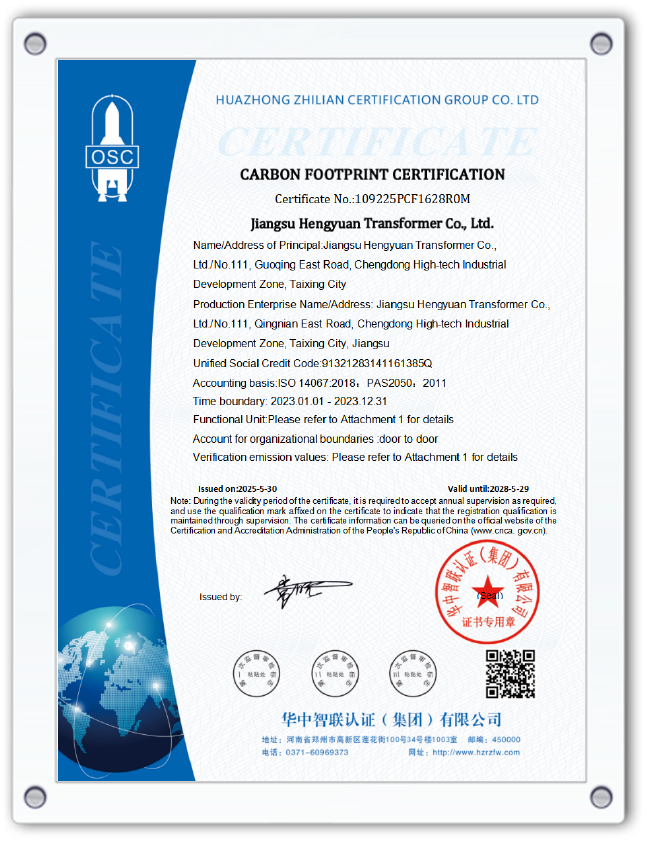
Certificate Of Honor



Compact Substation Industry knowledge
How Does a Compact Substation Integrate Transformer, Switchgear, and Protection Systems?
Introduction
A compact substation is an integrated power distribution solution that combines transformers, high-voltage switchgear, low-voltage switchgear, and protection devices within a compact enclosure. By integrating multiple electrical components into a single prefabricated unit, a compact substation simplifies installation, improves operational safety, and supports efficient power distribution in industrial, commercial, and infrastructure applications.
Unlike traditional separated power distribution systems, a compact unit substation adopts a modular design that allows transformer equipment, switching equipment, and protection systems to work together as a complete electrical unit. This integrated structure helps reduce installation complexity while providing stable power conversion, control, and fault protection.
How Does a Compact Substation Combine Transformer and Switchgear Functions?
The transformer is the core component of a compact substation, responsible for converting incoming high-voltage electricity into a suitable low-voltage supply for end-use equipment. Depending on application requirements, different transformer types can be integrated, including oil-immersed transformers and dry-type transformers.
High-voltage switchgear is installed on the input side of the system to control incoming power and isolate electrical equipment during maintenance or abnormal conditions. Low-voltage switchgear manages power distribution to different electrical loads while providing monitoring and control functions.
The combination of these components enables the compact substation to perform multiple functions within one enclosure:
| Integrated Component | Main Function | Application Value |
|---|---|---|
| Transformer | Converts voltage levels for power distribution | Ensures suitable voltage supply for different loads |
| High-voltage switchgear | Controls and isolates incoming power | Improves operational safety and system flexibility |
| Low-voltage switchgear | Distributes power to electrical equipment | Supports efficient energy management |
| Protection system | Detects and responds to faults | Reduces equipment damage and improves reliability |
| Enclosure structure | Protects internal components from environmental conditions | Enables outdoor and indoor installation |
This integrated configuration makes the compact substation suitable for locations where space utilization, installation efficiency, and system reliability are important considerations.
The Role of Protection Systems in Compact Substations
Protection systems are essential for maintaining safe and stable operation. A modern compact substation typically integrates protection devices such as circuit breakers, protective relays, monitoring units, and grounding systems.
When abnormal conditions such as overload, short circuits, or voltage fluctuations occur, the protection system can quickly detect the problem and disconnect affected sections. This prevents faults from spreading throughout the power distribution network.
The main protection functions include:
- Overcurrent protection: Prevents excessive current from damaging transformers and electrical equipment.
- Short-circuit protection: Quickly isolates fault areas to improve system safety.
- Overvoltage protection: Helps protect sensitive electrical devices from voltage surges.
- Temperature monitoring: Supports transformer condition management and reduces overheating risks.
- Grounding protection: Improves personnel safety and equipment reliability.
Through coordinated operation between transformer units, switchgear, and protection devices, the compact substation creates a complete power distribution control system.
Why Is the Integrated Design Important for Power Distribution?
The integrated structure of a compact substation provides several advantages compared with conventional power distribution arrangements. Since the transformer, switchgear, and protection equipment are assembled as a complete unit, engineering design and installation processes become more efficient.
A compact unit substation can be manufactured and tested before delivery, reducing field installation requirements and improving system consistency. Its enclosed design also provides better protection against dust, moisture, and environmental influences.
| Design Feature | Benefit |
|---|---|
| Integrated structure | Reduces installation complexity and connection requirements |
| Prefabricated manufacturing | Improves production consistency and installation efficiency |
| Compact footprint | Suitable for areas with limited installation space |
| Complete protection configuration | Enhances electrical safety and operation stability |
| Modular design | Allows flexible solutions for different power demands |
These characteristics make compact substations widely applicable in industrial facilities, commercial buildings, renewable energy projects, urban power networks, and infrastructure systems.
Manufacturing Capability and Power Equipment Solutions
Jiangsu Hengyuan Transformer Co., Ltd. is dedicated to providing safe, efficient, and reliable power equipment solutions for power systems, industrial sectors, and infrastructure projects.
The company specializes in the R&D and manufacturing of power equipment, with main products including oil-immersed power transformers, dry-type transformers, combined transformers, high/low-voltage prefabricated substations, switchgear, cable branch boxes, power distribution boxes, and complete electrical equipment systems. The company provides integrated equipment solutions to support various power transmission and distribution requirements.
With advanced manufacturing capability, Hengyuan has established a modern production system equipped with manufacturing equipment and testing instruments to ensure stable production performance. A strict quality control process is implemented throughout raw material selection, manufacturing, inspection, and delivery stages.
In addition, Jiangsu Hengyuan Transformer Co., Ltd. has accumulated extensive experience in transformer and electrical equipment manufacturing. Its products are applied in power transmission and distribution systems as well as industrial power applications across different regions.
Materials and Structural Considerations of Compact Substations
The structure and materials used in a compact substation directly influence durability, safety, and environmental adaptability. Different components require specific material characteristics to maintain reliable operation.
| Component | Common Material Characteristics | Purpose |
|---|---|---|
| Transformer core | High-performance magnetic materials | Improves energy conversion efficiency |
| Enclosure | Corrosion-resistant metal structure | Provides mechanical protection and environmental resistance |
| Switchgear housing | Durable insulating and protective materials | Ensures electrical safety |
| Conductive components | High-conductivity materials | Supports stable current transmission |
Proper material selection helps compact substations maintain long-term operational performance under different installation environments.
Future Development Trends of Compact Substations
With increasing demand for efficient power distribution systems, compact substations continue to develop toward higher integration, improved monitoring capability, and smarter operation. Modern designs increasingly focus on intelligent protection, remote monitoring, energy efficiency, and simplified maintenance.
As power systems become more complex, the role of compact unit substations is expanding from basic voltage conversion equipment to comprehensive power management solutions. Their integrated design supports reliable electricity supply while meeting the requirements of modern industrial and infrastructure development.
FAQ
Q1: What is a compact substation used for?
A compact substation is used to transform voltage levels and distribute electrical power safely in industrial, commercial, and infrastructure applications. It integrates transformers, switchgear, and protection systems into one complete unit.
Q2: What components are included in a compact unit substation?
A compact unit substation generally includes a transformer, high-voltage switchgear, low-voltage switchgear, protection devices, monitoring components, and a protective enclosure.
Q3: What are the advantages of using a compact substation?
The main advantages include space saving, simplified installation, improved safety, integrated protection, and reliable power distribution performance.
Q4: How does a protection system improve compact substation safety?
Protection systems monitor electrical conditions and automatically respond to faults such as overloads and short circuits, helping prevent equipment damage and improving operational reliability.
Q5: How should a compact substation be maintained?
Regular maintenance should include checking electrical connections, inspecting protection devices, monitoring transformer conditions, and ensuring the enclosure remains clean and properly sealed.
Jiangsu Hengyuan Transformer

Jiangsu Hengyuan Transformer
Jiangsu Hengyuan Transformer
Jiangsu Hengyuan Transformer
 Contact
If You Have Any Questions, Please Contact Us

Jiangsu Hengyuan Transformer Co., Ltd. is dedicated to providing safe, efficient, and reliable power equipment solutions for power systems, industrial sectors, and infrastructure construction. We are China Custom
Compact Substation Manufacturers.
Contact
-

wxj.810@163.com
-

+86-523-82962116
-

No. 111, Guoqing East Road, Chengdong High-tech Industrial Park, Taixing City, Jiangsu Province, China
Copyright © 2026 by Jiangsu Hengyuan Transformer Co., Ltd. Rights Reserved.
