 English
 русский
 Español
 عربى
عربى-
GCS Low Voltage Withdrawable Switchgear
-
GCK Low Voltage Withdrawable Switchgear
-
MNS Low Voltage Withdrawable Switchgear
-
GGD Low Voltage Fixed-type Switchgear Assembly
-
YMJ Series Low Voltage Reactive Power Compensation Device
-
XL Low Voltage Power Distribution Cabinet
-
XLW Low Voltage Cable Branch Box
-
XJM Low Voltage Metering & Distribution Box
-
XGN15-24 SF6 Insulated Ring Main Unit (RMU)
-
XGN15-12 Metal-enclosed Ring Main Unit (RMU)
-
HXGN Metal-enclosed Ring Main Unit (RMU)
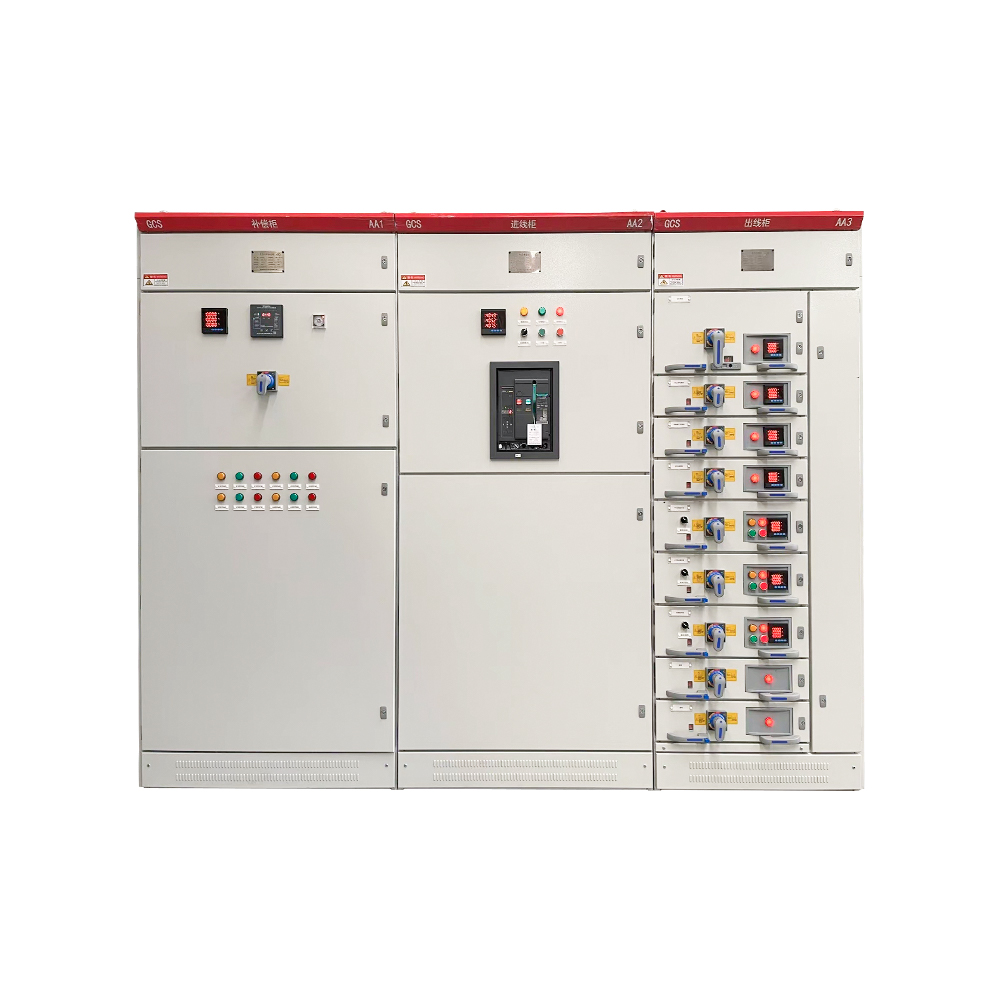
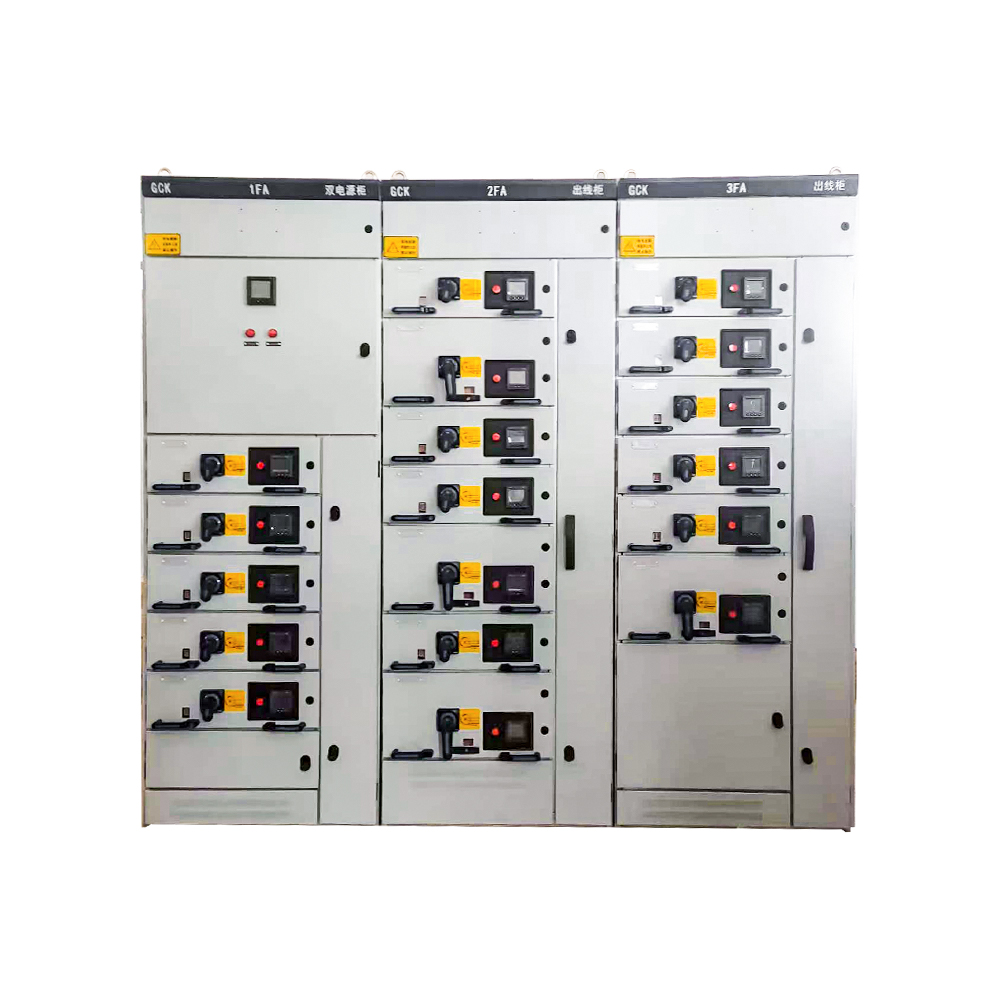
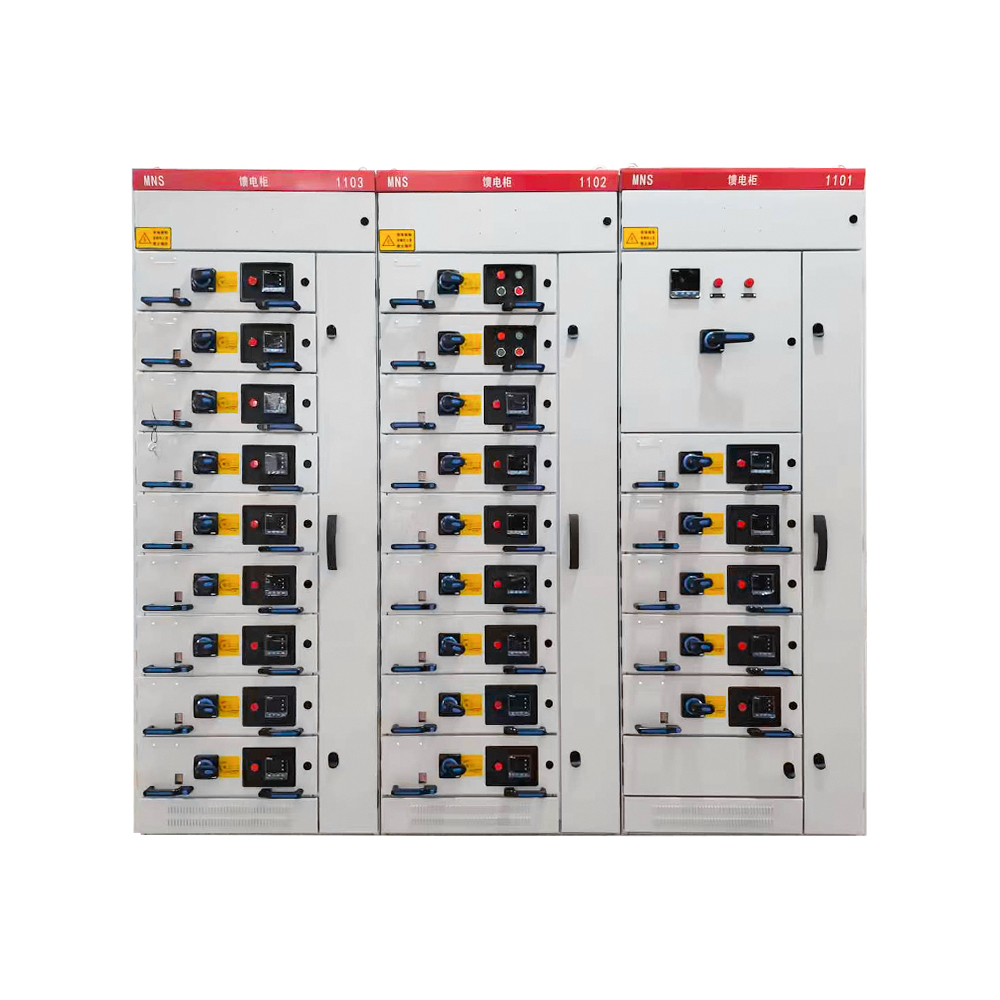
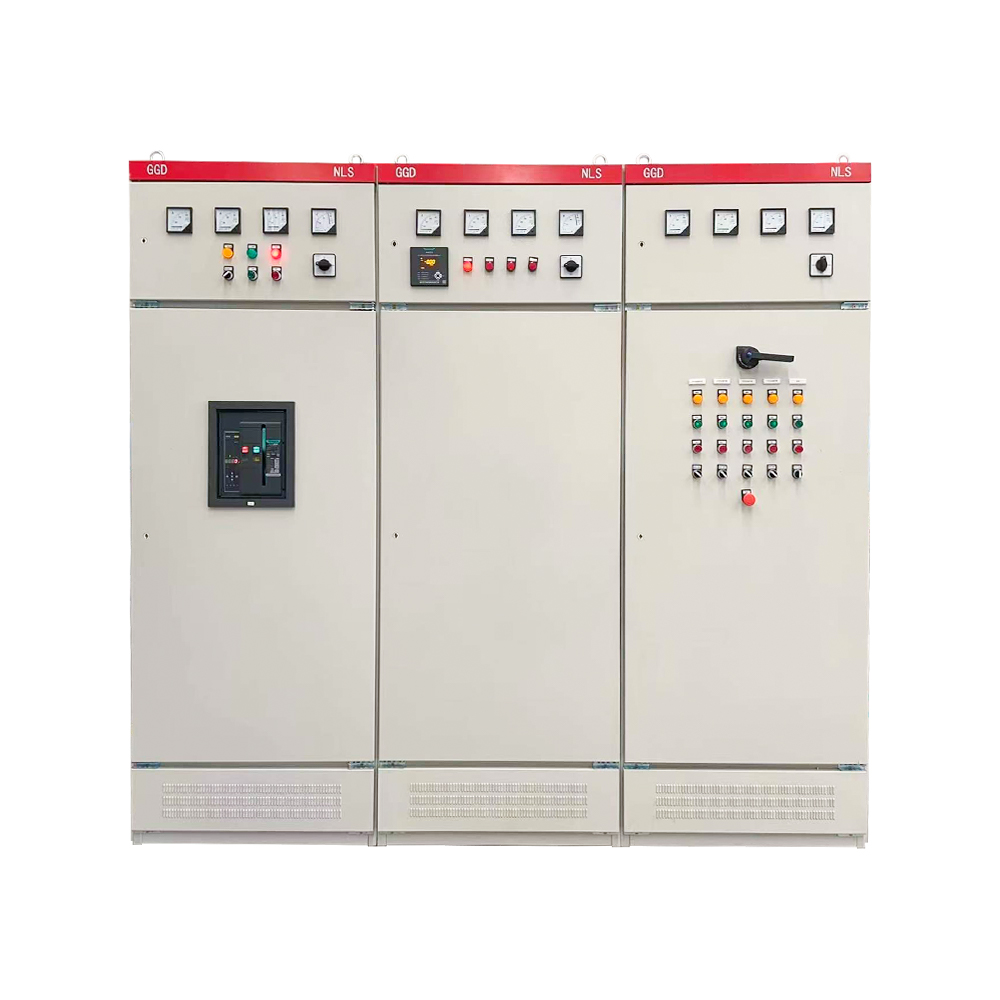
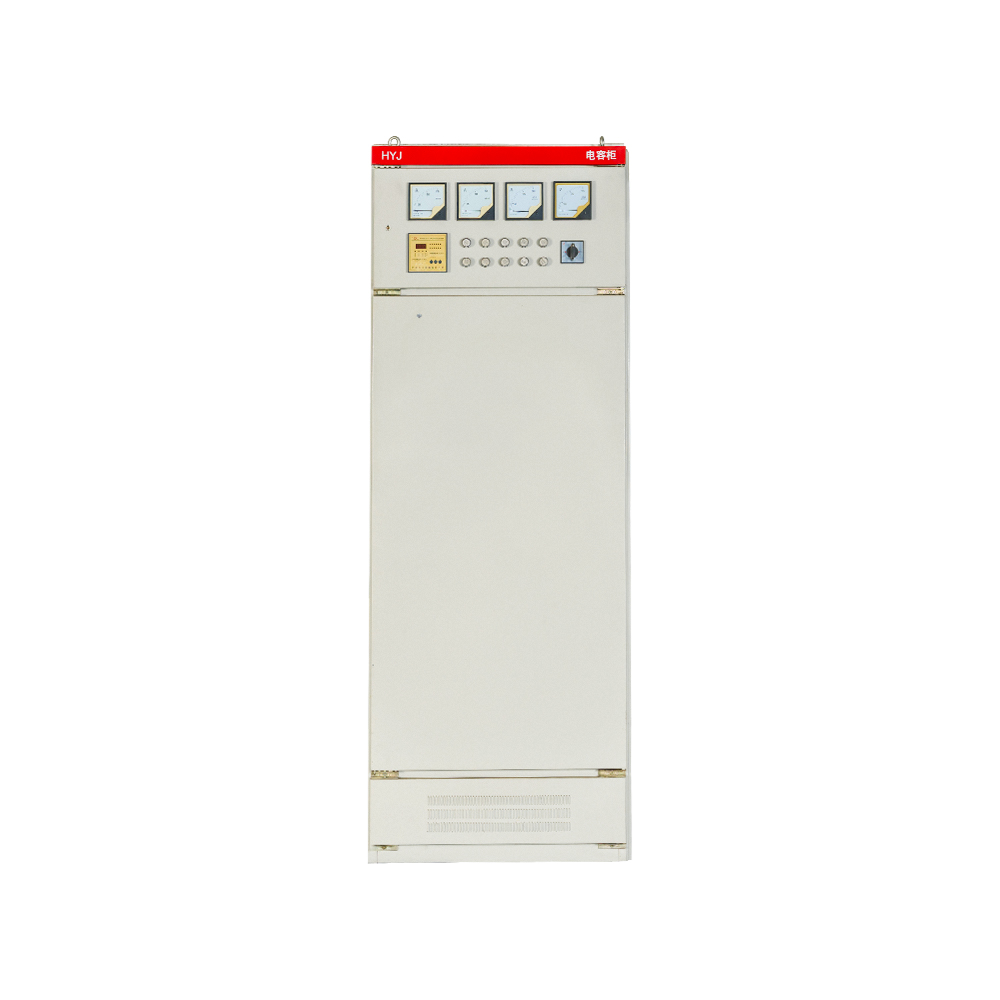
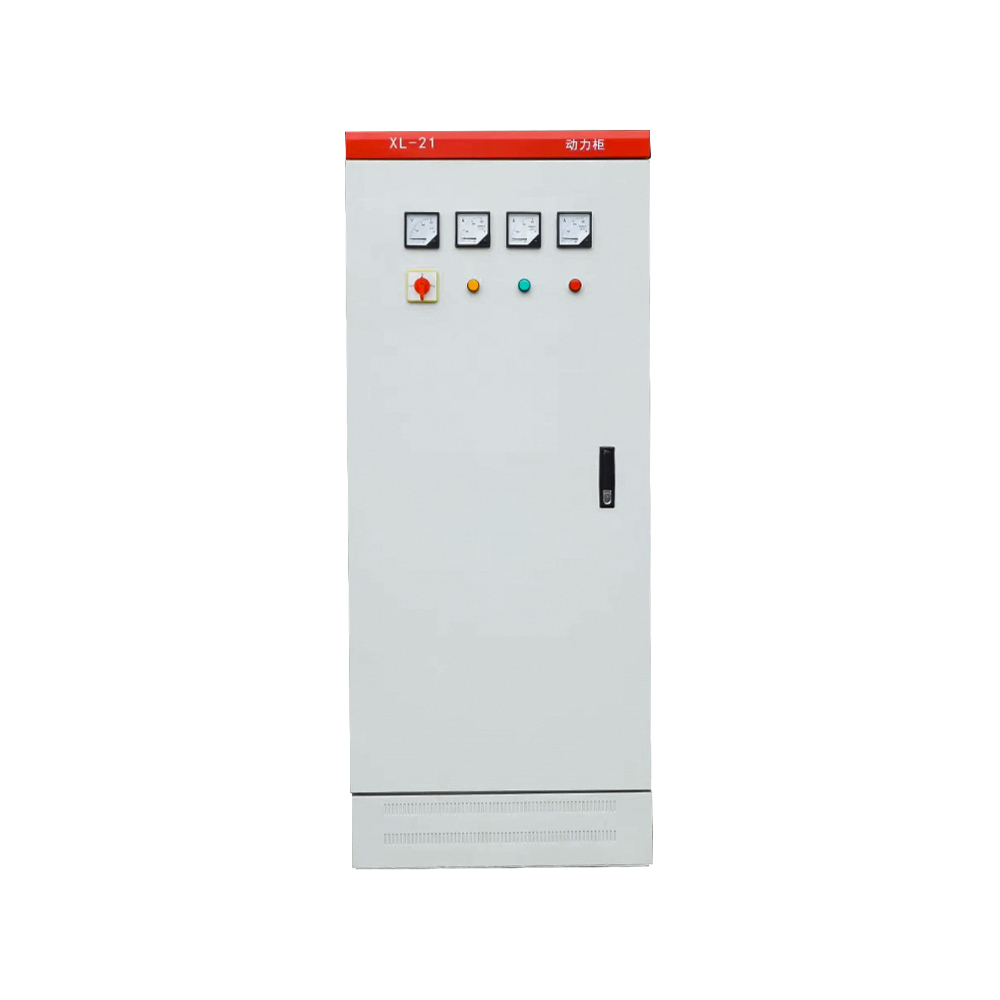
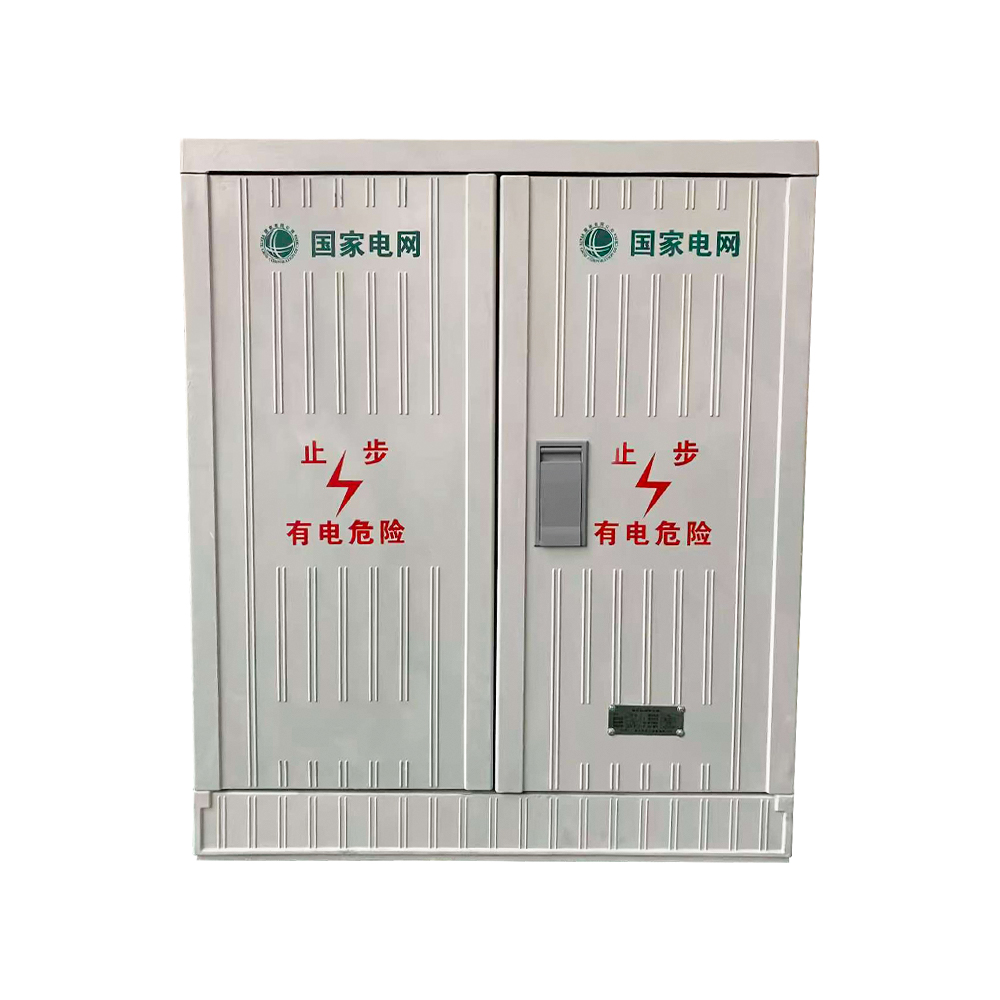
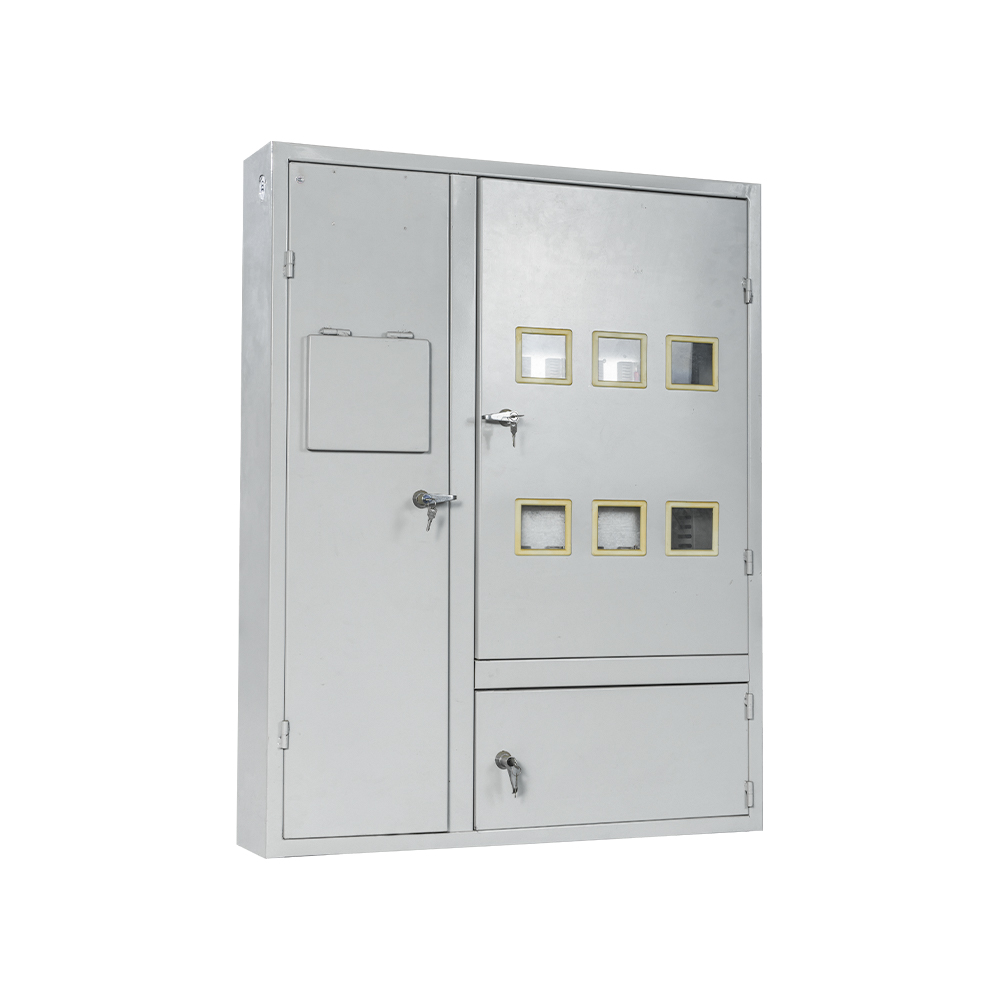
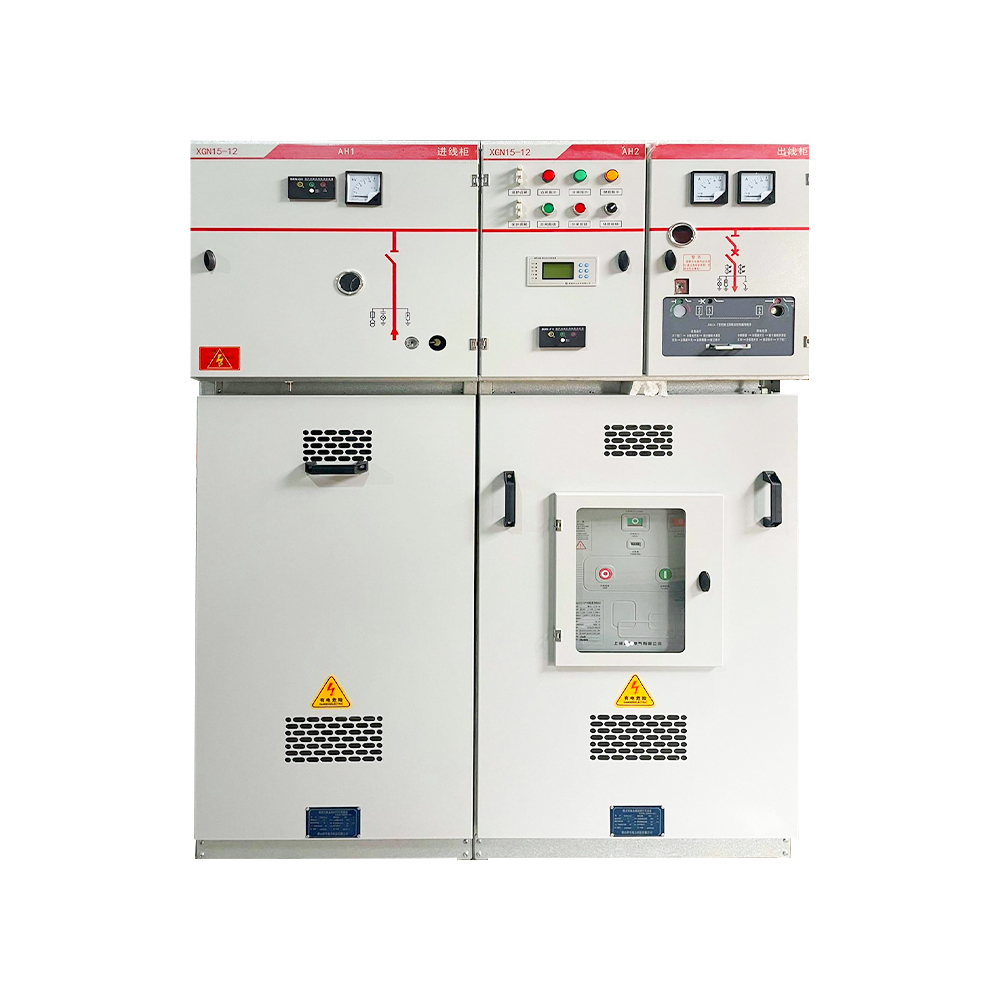
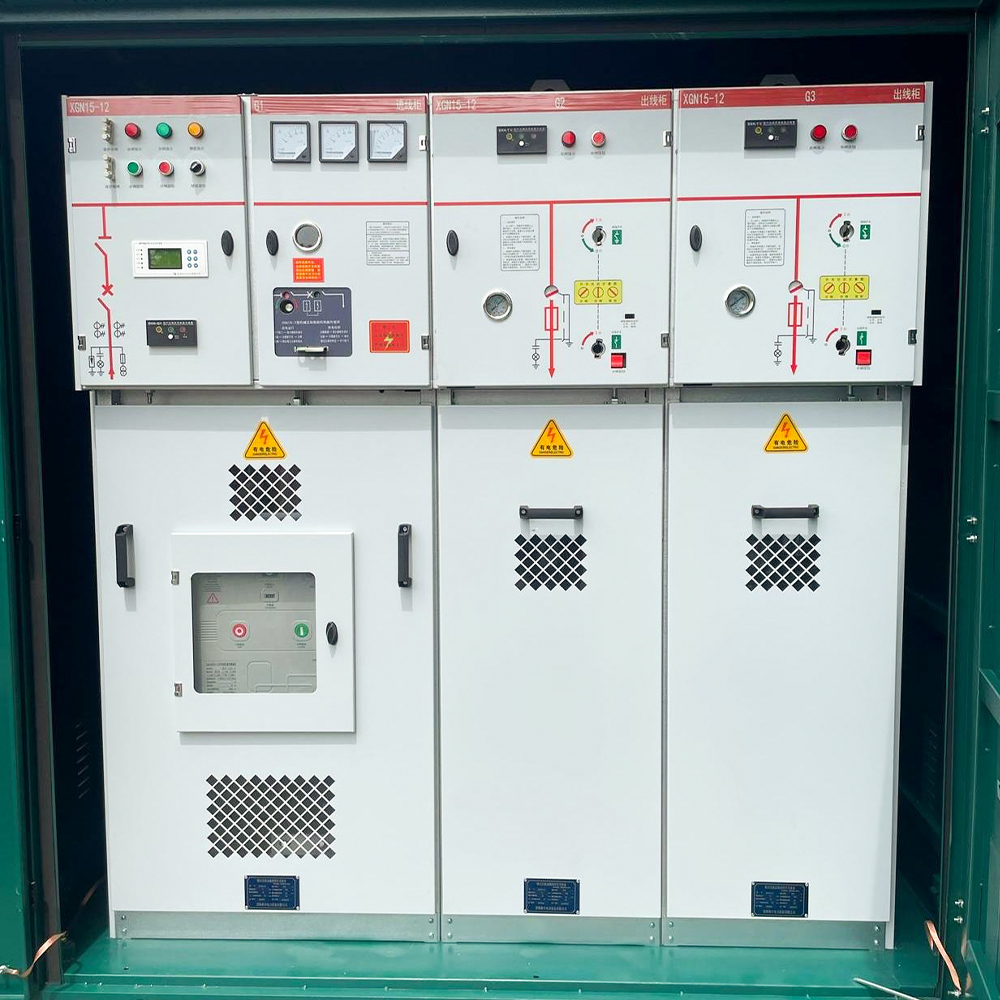
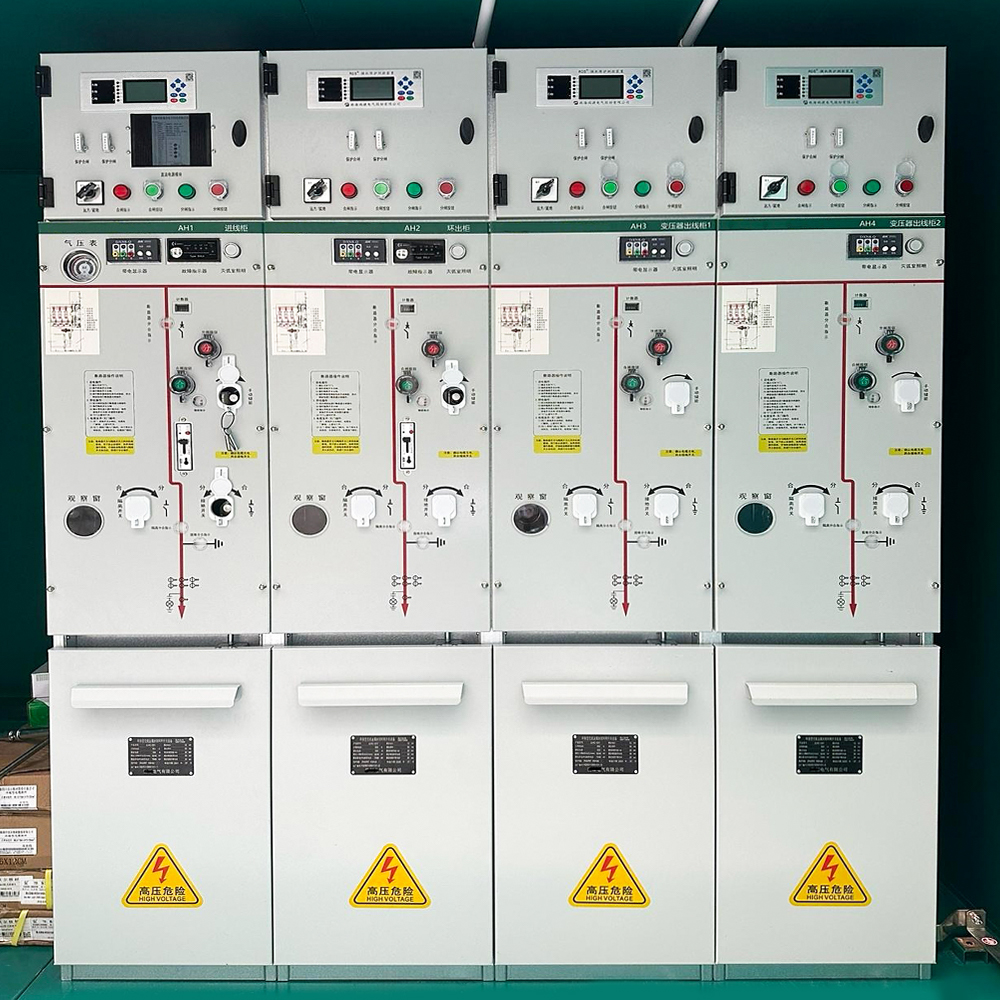
Switchgear encompasses a combination of electrical disconnect switches, circuit breakers, fuses, and protective relays assembled into a unified enclosure. These devices are designed to control, protect, and isolate electrical equipment and circuits within power systems. Voltage classifications include low-voltage (below 1 kV), medium-voltage (1 kV to 52 kV), and high-voltage (above 52 kV). Switchgear configurations include open-type, metal-enclosed, and metal-clad constructions, with insulation media such as air, gas (SF₆), or solid materials. Compliance with IEC 61439 and GB/T 3906 standards governs design and testing. Applications are found in utility substations, industrial facilities, commercial buildings, and power generation plants. Maintenance involves periodic inspection of contact wear, insulation resistance testing, and verification of protective relay settings.
About
Jiangsu Hengyuan Transformer Co., Ltd.
Jiangsu Hengyuan Transformer Co., Ltd. is dedicated to providing safe, efficient, and reliable power equipment solutions for power systems, industrial sectors, and infrastructure projects. We are China HV And LV Switchgear Manufacturers and Custom
HV And LV Switchgear Factory.
We specialize in the R&D and manufacturing of power equipment, with main products including oil-immersed power transformers, dry-type transformers, combined transformers, high/low-voltage prefabricated substations, switchgear, cable branch boxes, power distribution boxes, and complete electrical equipment systems.
The company is among the first group of recommended manufacturers for urban and rural power grid construction and upgrading by the National Economic and Trade Commission of China.
Over the years, our products have been widely used in power systems across Jiangsu, Anhui, Shanghai, Jiangxi, Fujian, Zhejiang, Guangxi, Hebei, and other regions in China.
We specialize in the R&D and manufacturing of power equipment, with main products including oil-immersed power transformers, dry-type transformers, combined transformers, high/low-voltage prefabricated substations, switchgear, cable branch boxes, power distribution boxes, and complete electrical equipment systems.
The company is among the first group of recommended manufacturers for urban and rural power grid construction and upgrading by the National Economic and Trade Commission of China.
Over the years, our products have been widely used in power systems across Jiangsu, Anhui, Shanghai, Jiangxi, Fujian, Zhejiang, Guangxi, Hebei, and other regions in China.
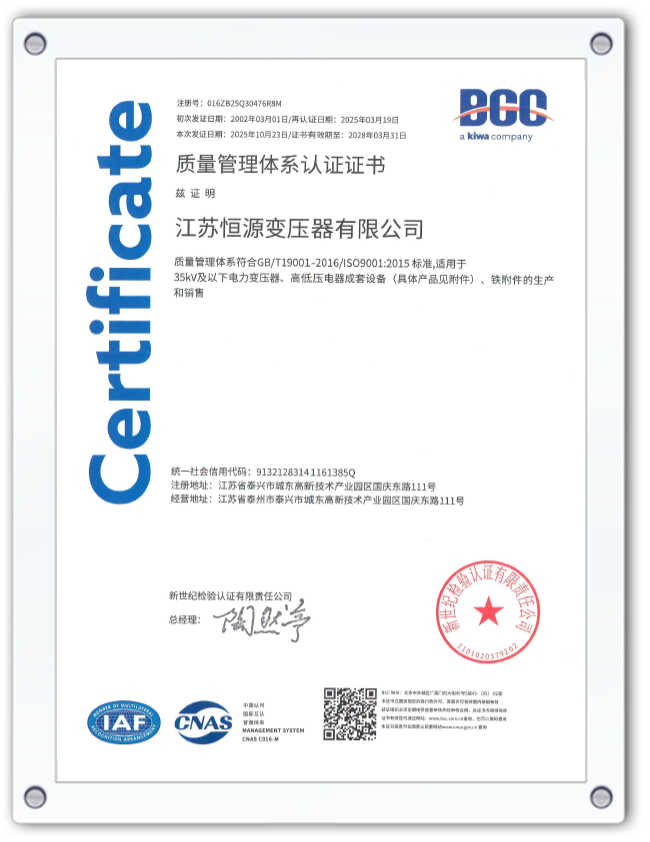
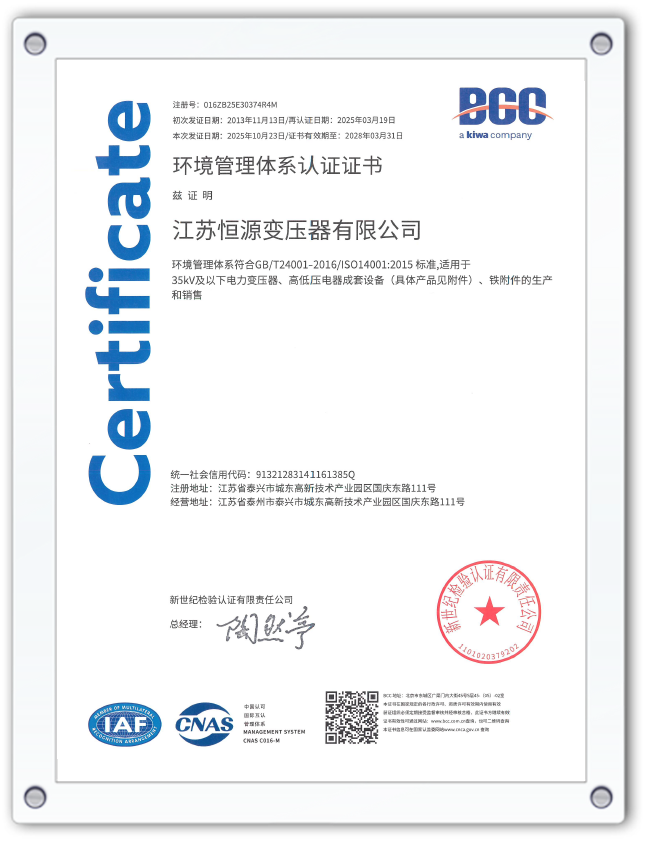
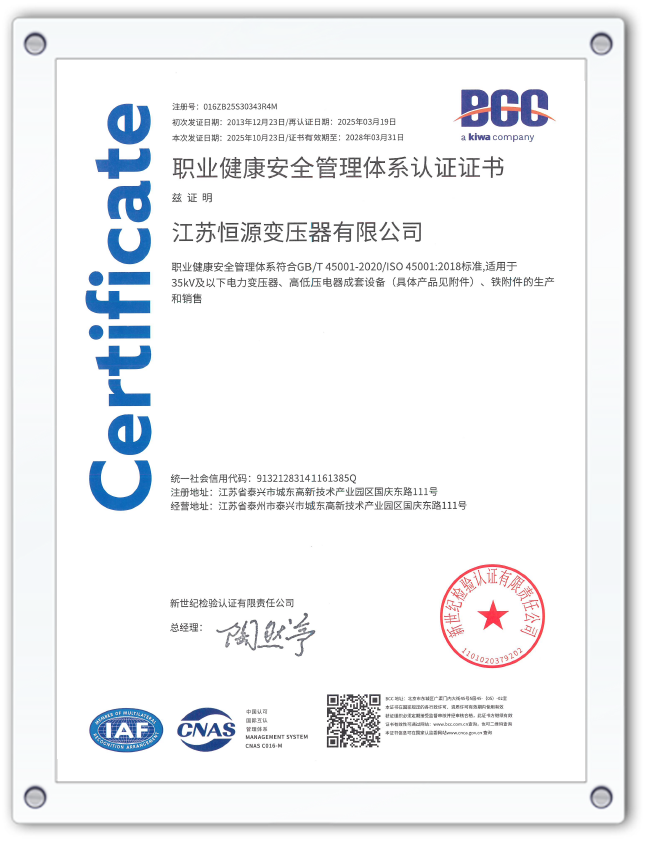
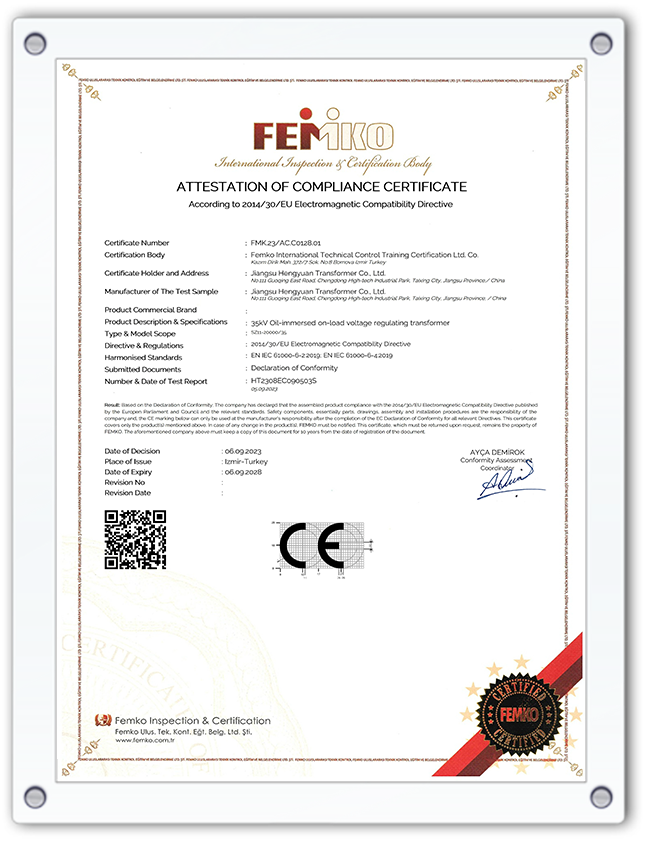
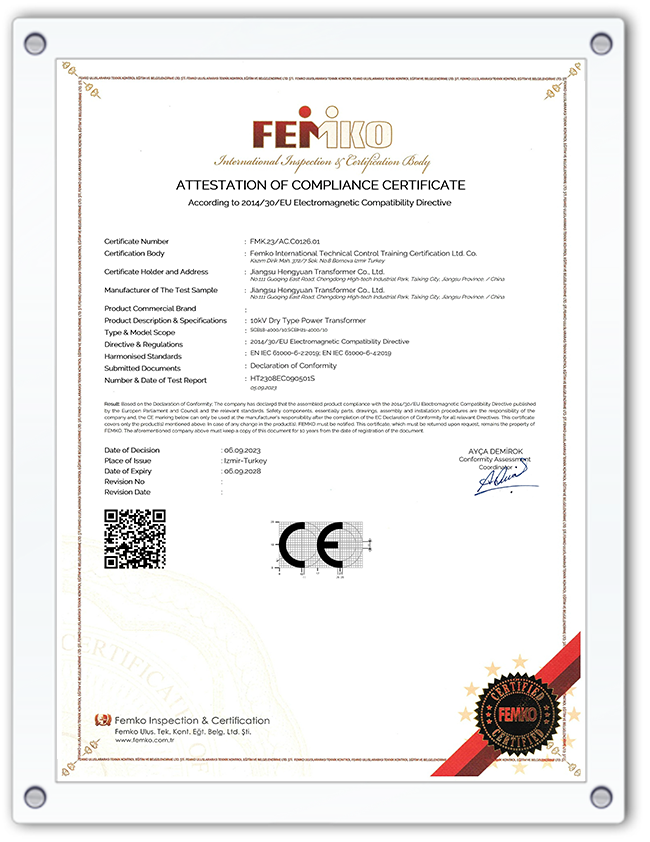
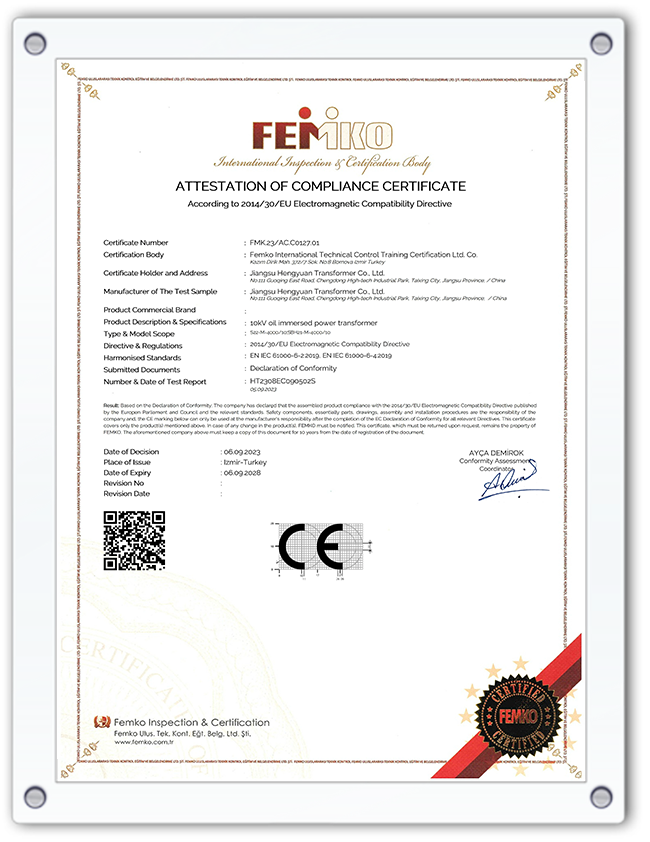
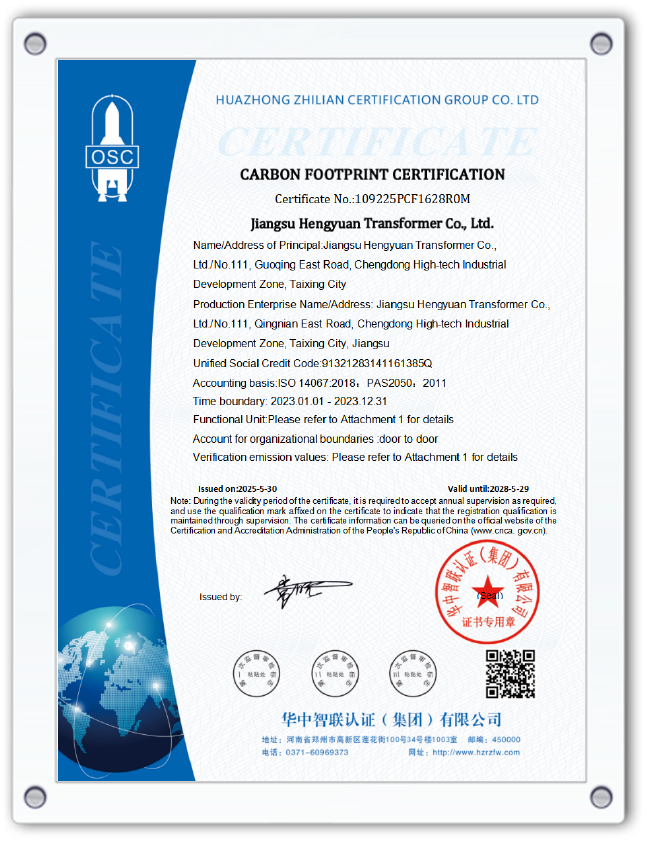
Certificate Of Honor



Switchgear Industry knowledge
How Do HV And LV Switchgear Control and Protect Electrical Equipment?
In modern power systems, reliable control and protection of electrical equipment are essential for maintaining continuous power supply and preventing equipment damage. HV and LV switchgear plays a critical role by managing electrical circuits, isolating faults, and improving the safety of power distribution networks. As a key component in substations, industrial facilities, and infrastructure projects, high voltage switchgear and low voltage switchgear work together to control power flow from transmission systems to end-use equipment.
The Role of HV and LV Switchgear in Electrical Systems
HV and LV switchgear refers to a complete set of electrical devices used for switching, controlling, measuring, protecting, and distributing electrical energy. HV switchgear is mainly applied in high-voltage power networks to handle large electrical loads and protect transformers, transmission lines, and other high-voltage equipment. LV switchgear is designed for low-voltage distribution systems, providing safe power management for electrical loads, control systems, and terminal equipment.
The main function of switchgear is not only to connect and disconnect circuits but also to provide rapid response during abnormal conditions such as overloads, short circuits, and insulation failures. Through integrated protection devices, switchgear can detect electrical faults and disconnect affected sections to reduce damage and improve system reliability.
| Switchgear Type | Main Function | Typical Application |
|---|---|---|
| HV Switchgear | Controls and protects high-voltage circuits, isolates faults, and manages power transmission equipment | Power substations, industrial power systems, grid distribution networks |
| LV Switchgear | Controls low-voltage power distribution and protects electrical loads | Commercial buildings, factories, infrastructure facilities |
| Integrated Switchgear System | Combines switching, protection, and monitoring functions | Complete power distribution systems and prefabricated substations |
How Does HV Switchgear Protect High-Voltage Equipment?
High voltage switchgear is designed to operate under demanding electrical conditions. It provides circuit interruption and isolation functions to protect important equipment such as transformers, cables, and power distribution systems.
When a fault occurs, protection components inside HV switchgear quickly identify abnormal current changes and activate switching devices. This prevents excessive electrical stress from spreading through the power network. Circuit breakers, disconnectors, and grounding switches work together to create a safe operating environment for maintenance and system operation.
The protection functions of HV switchgear mainly include:
- Fault interruption: Quickly disconnects faulty circuits to prevent equipment damage.
- Electrical isolation: Creates a visible or reliable isolation point for maintenance operations.
- Overcurrent protection: Prevents damage caused by excessive current flow.
- System control: Enables operators to manage power distribution and equipment operation.
For power systems requiring stable operation, the combination of high voltage switchgear and transformer equipment provides an effective solution for improving electrical safety and operational efficiency.
How Does LV Switchgear Improve Power Distribution Safety?
Low voltage switchgear focuses on the safe distribution and control of electrical energy after voltage transformation. It is commonly installed on the output side of transformers to distribute power to different electrical circuits.
LV switchgear includes protective devices such as circuit breakers, contactors, and monitoring components. These devices help regulate electrical loads and protect downstream equipment from overloads, short circuits, and other operating risks.
The major advantages of LV switchgear include:
| Function | Description | Benefit |
|---|---|---|
| Power Distribution | Allocates electricity to multiple circuits | Improves system organization and management |
| Circuit Protection | Prevents overload and short-circuit damage | Enhances equipment safety |
| Monitoring Control | Tracks operating conditions | Supports efficient maintenance |
| Isolation Operation | Allows safe equipment inspection | Reduces operational risks |
By providing controlled power distribution, LV switchgear helps maintain stable operation of industrial equipment, commercial electrical systems, and infrastructure facilities.
Integration of HV and LV Switchgear with Transformer Systems
Transformers and switchgear form an important part of complete power distribution solutions. Transformers are responsible for voltage conversion, while switchgear manages power control and protection. The combination allows electrical energy to be transferred safely from power sources to end-use equipment.
Jiangsu Hengyuan Transformer Co., Ltd. is dedicated to providing safe, efficient, and reliable power equipment solutions for power systems, industrial sectors, and infrastructure projects. The company specializes in the R&D and manufacturing of power equipment, including oil-immersed power transformers, dry-type transformers, combined transformers, high/low-voltage prefabricated substations, switchgear, cable branch boxes, power distribution boxes, and complete electrical equipment systems.
The company focuses on manufacturing processes that support stable product performance. Advanced production equipment covers key procedures such as core processing, winding manufacturing, vacuum treatment, and final assembly. These production capabilities help ensure the reliability of transformer and electrical equipment systems.
Manufacturing Processes Supporting Electrical Equipment Reliability
The performance of switchgear and transformer systems depends on precise manufacturing and strict process control. Equipment used in production directly influences product quality, insulation performance, and long-term operating stability.
| Manufacturing Equipment | Main Purpose | Influence on Product Performance |
|---|---|---|
| Transformer Winding Equipment | Produces transformer coils with high precision | Improves electrical stability and reliability |
| Vacuum & Insulation Processing Equipment | Enhances insulation treatment and reduces internal defects | Supports longer service life and safer operation |
| Sheet Metal Processing Equipment | Manufactures transformer tanks, electrical cabinets, and enclosures | Ensures structural strength and protection performance |
Through professional manufacturing processes, Jiangsu Hengyuan Transformer Co., Ltd. supports the production of reliable electrical equipment for different power application environments.
Applications of HV and LV Switchgear
HV and LV switchgear is widely used in various electrical systems where safety, control, and reliability are required. Common applications include:
- Power distribution networks: Used for controlling and protecting electrical transmission and distribution equipment.
- Industrial facilities: Provides stable power management for manufacturing equipment and electrical systems.
- Infrastructure projects: Supports reliable electricity supply for public facilities and large-scale electrical installations.
- Prefabricated substations: Integrates transformers, switchgear, and protection systems into compact power solutions.
With increasing requirements for safe and efficient energy management, modern switchgear systems continue to develop toward improved protection functions, intelligent monitoring, and integrated electrical solutions.
Conclusion
HV and LV switchgear plays an essential role in controlling and protecting electrical equipment throughout power distribution systems. HV switchgear focuses on high-voltage circuit protection and fault isolation, while LV switchgear ensures safe and efficient low-voltage power distribution. When combined with reliable transformers and complete electrical equipment systems, switchgear helps improve power system stability, safety, and operational efficiency.
Through professional manufacturing capabilities and complete power equipment solutions, Jiangsu Hengyuan Transformer Co., Ltd. provides electrical products designed to meet the requirements of power systems, industrial applications, and infrastructure development.
FAQ
1. What is the main function of HV and LV switchgear?
HV and LV switchgear controls electrical circuits, distributes power, isolates faults, and protects electrical equipment from abnormal operating conditions.
2. What is the difference between HV switchgear and LV switchgear?
HV switchgear is designed for high-voltage power systems and focuses on transmission-level protection, while LV switchgear manages low-voltage distribution and terminal electrical loads.
3. Why is switchgear important in power distribution systems?
Switchgear improves system safety by providing circuit control, fault protection, and equipment isolation functions.
4. How does switchgear work with transformers?
Transformers convert voltage levels, while switchgear controls power flow and protects the transformer and connected electrical equipment.
5. What factors affect the reliability of switchgear systems?
Manufacturing precision, insulation quality, protection design, and proper maintenance all influence switchgear reliability and service performance.
Jiangsu Hengyuan Transformer

Jiangsu Hengyuan Transformer
Jiangsu Hengyuan Transformer
Jiangsu Hengyuan Transformer
 Contact
If You Have Any Questions, Please Contact Us

Jiangsu Hengyuan Transformer Co., Ltd. is dedicated to providing safe, efficient, and reliable power equipment solutions for power systems, industrial sectors, and infrastructure construction. We are China Custom
HV And LV Switchgear Manufacturers.
Contact
-

wxj.810@163.com
-

+86-523-82962116
-

No. 111, Guoqing East Road, Chengdong High-tech Industrial Park, Taixing City, Jiangsu Province, China
Copyright © 2026 by Jiangsu Hengyuan Transformer Co., Ltd. Rights Reserved.
