 English
 русский
 Español
 عربى
عربى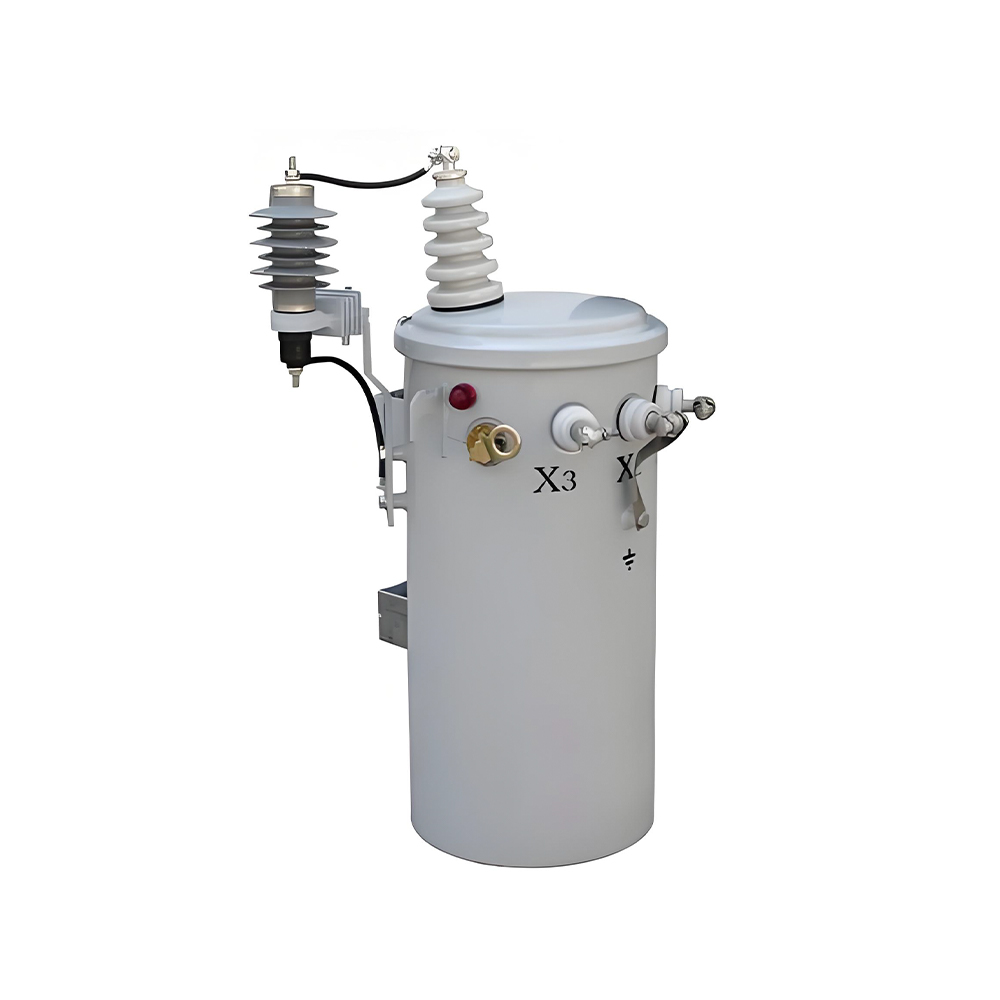
Single-phase transformers (0.22–10 kV) are electromagnetic devices designed for voltage transformation in single-phase alternating current systems. They consist of a laminated silicon-steel core with primary and secondary windings arranged concentrically. These units operate within voltage ranges from 0.22 kV to 10 kV, with power ratings typically from 0.5 kVA to 500 kVA. Applications include residential supply, railway signaling, control circuits, lighting systems, and rural distribution networks. Cooling methods include natural air (AN) for dry-type or oil-immersed (ONAN) constructions. Insulation systems comply with IEC 60076 and IEEE C57.12 standards. Dry-type versions employ epoxy-resin encapsulated windings, while oil-filled types use mineral oil as both dielectric and cooling medium. Temperature rise limits are defined per insulation class (Class A, F, or H). Routine maintenance includes insulation resistance testing, winding resistance measurement, and visual inspection of terminals and core grounding.
About
Jiangsu Hengyuan Transformer Co., Ltd.
Jiangsu Hengyuan Transformer Co., Ltd. is dedicated to providing safe, efficient, and reliable power equipment solutions for power systems, industrial sectors, and infrastructure projects. We are China Single Phase Distribution Transformer (0.22-10kV) Manufacturers and Custom
Single Phase Distribution Transformer (0.22-10kV) Factory.
We specialize in the R&D and manufacturing of power equipment, with main products including oil-immersed power transformers, dry-type transformers, combined transformers, high/low-voltage prefabricated substations, switchgear, cable branch boxes, power distribution boxes, and complete electrical equipment systems.
The company is among the first group of recommended manufacturers for urban and rural power grid construction and upgrading by the National Economic and Trade Commission of China.
Over the years, our products have been widely used in power systems across Jiangsu, Anhui, Shanghai, Jiangxi, Fujian, Zhejiang, Guangxi, Hebei, and other regions in China.
We specialize in the R&D and manufacturing of power equipment, with main products including oil-immersed power transformers, dry-type transformers, combined transformers, high/low-voltage prefabricated substations, switchgear, cable branch boxes, power distribution boxes, and complete electrical equipment systems.
The company is among the first group of recommended manufacturers for urban and rural power grid construction and upgrading by the National Economic and Trade Commission of China.
Over the years, our products have been widely used in power systems across Jiangsu, Anhui, Shanghai, Jiangxi, Fujian, Zhejiang, Guangxi, Hebei, and other regions in China.
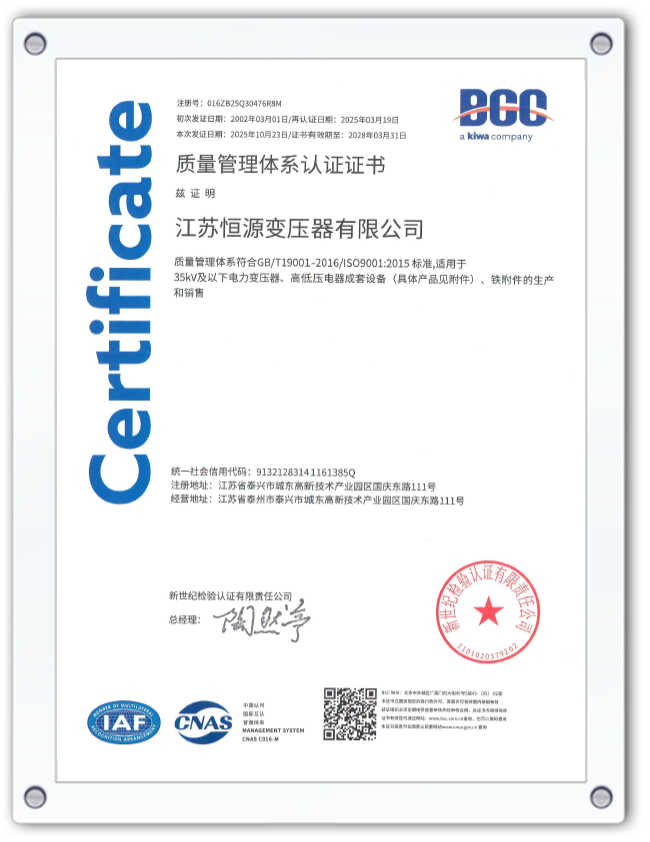
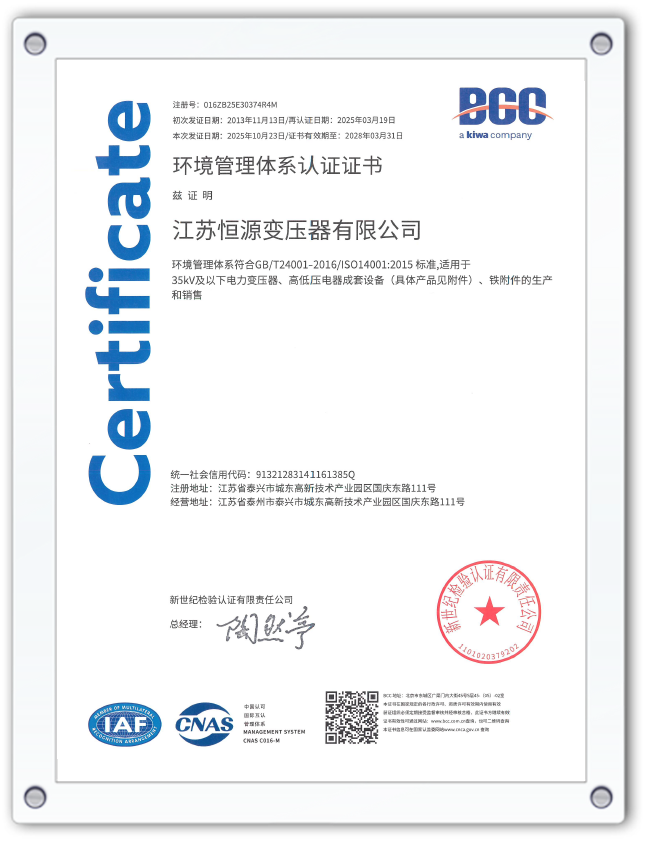
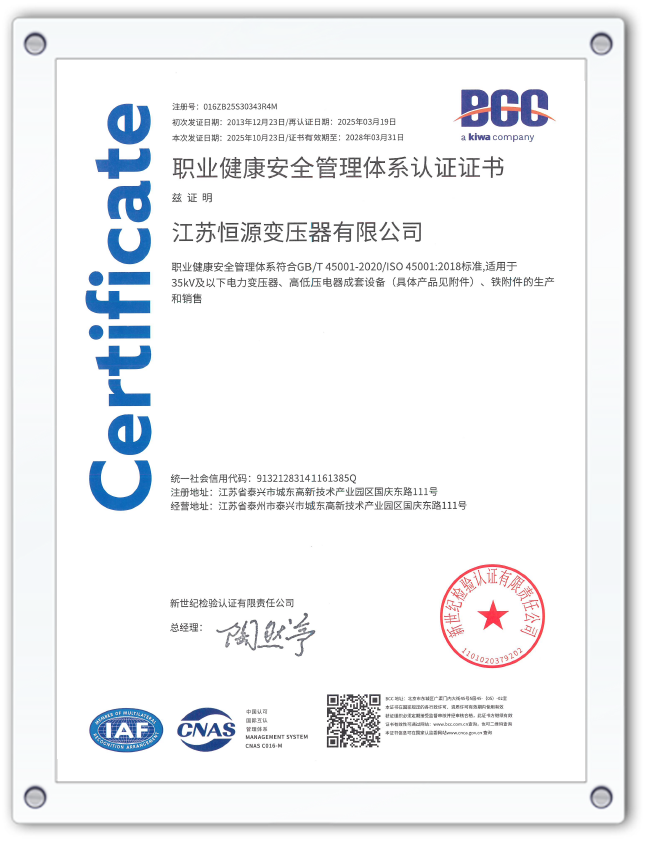
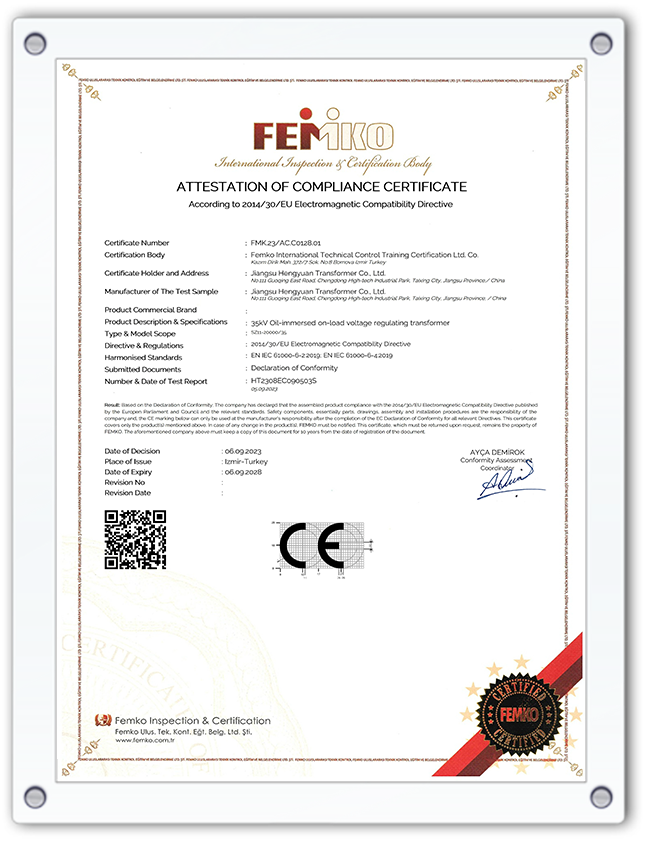
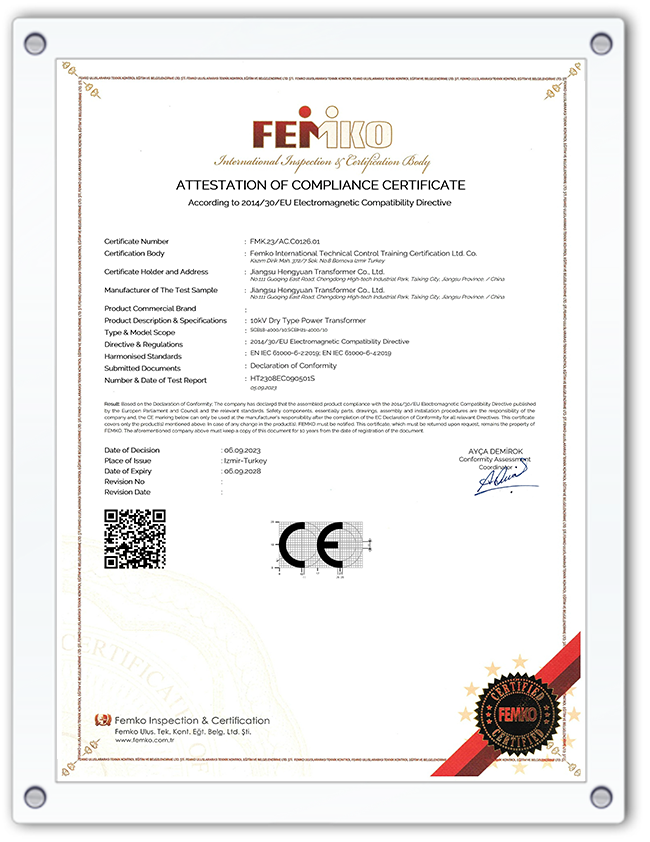
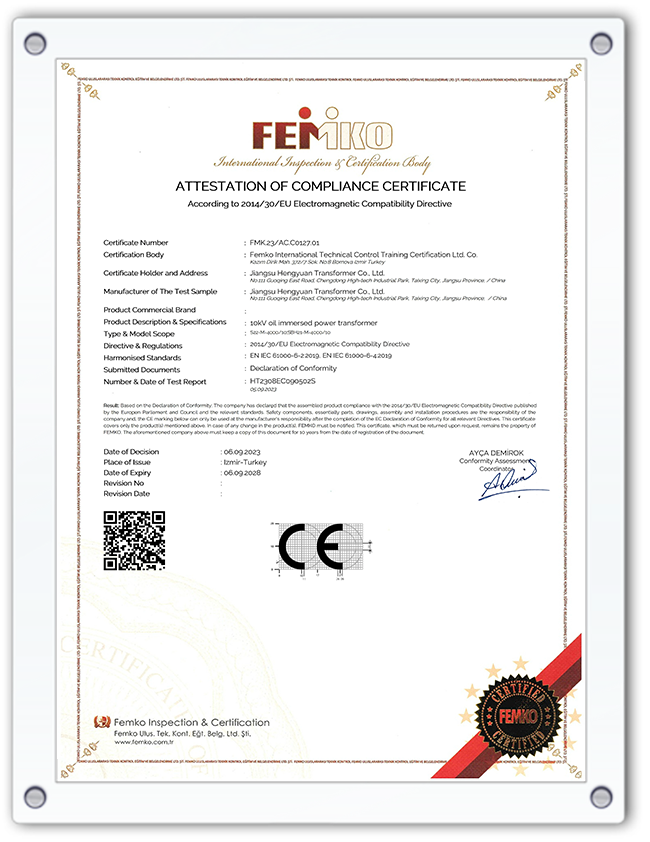
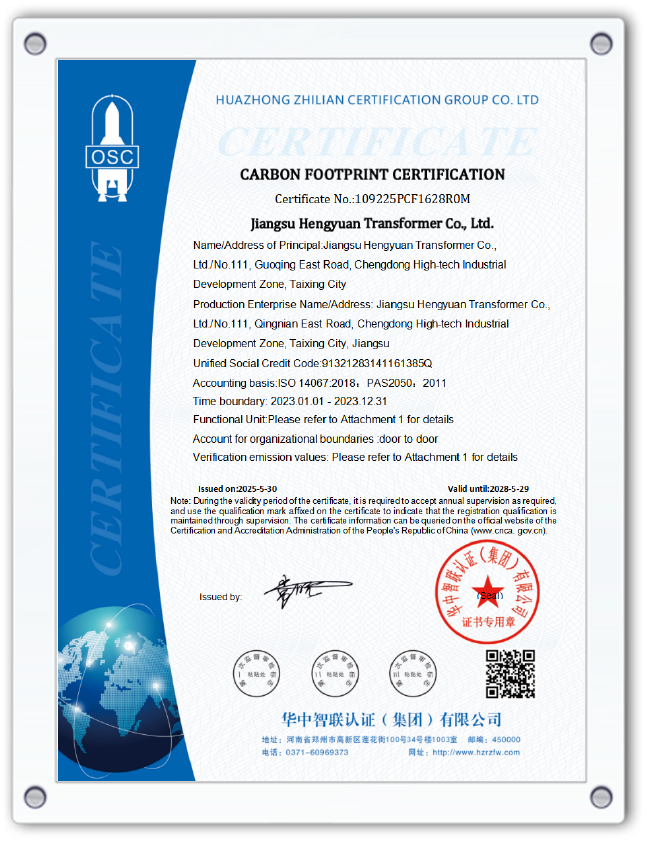
Certificate Of Honor



Single-phase Transformer (0.22-10kV) Industry knowledge
How Can Single Phase Distribution Transformers Improve Energy Efficiency in Power Distribution?
In modern power networks, improving energy efficiency has become an important goal for residential power supply, industrial facilities, and infrastructure projects. A transformer plays a critical role in controlling voltage conversion, reducing transmission losses, and ensuring stable electricity delivery. Among different transformer solutions, the single phase distribution transformer (0.22-10kV) is widely used in low and medium voltage distribution systems due to its efficient operation, reliable performance, and flexible application characteristics.
A properly designed single phase distribution transformer helps optimize power distribution by reducing unnecessary energy consumption during voltage conversion. Through advanced structural design, suitable insulation materials, and efficient electromagnetic performance, these transformers can improve overall system efficiency while maintaining stable power output.
The Role of Single Phase Distribution Transformers in Energy Efficiency Improvement
A single phase distribution transformer is mainly used to convert electrical energy from higher voltage levels into suitable low-voltage power for end users. During this process, transformer efficiency directly affects the energy performance of the entire distribution network.
Energy losses in distribution transformers mainly include no-load losses and load losses. No-load losses occur when the transformer remains energized without supplying power, while load losses increase according to operating current. By improving core materials, winding design, and manufacturing precision, modern transformers can reduce these losses and enhance energy utilization.
The main energy efficiency functions of single phase distribution transformers include:
| Function | Energy Efficiency Effect | Application Value |
|---|---|---|
| Voltage conversion | Provides stable voltage transformation with lower energy waste | Ensures reliable electricity supply for different users |
| Low-loss core design | Reduces magnetic losses during continuous operation | Suitable for long-term power distribution |
| Optimized winding structure | Improves current transmission efficiency | Helps maintain stable output performance |
| High-quality insulation system | Reduces operational risks and heat loss | Extends service life and improves reliability |
How Transformer Design Influences Power Distribution Efficiency
The efficiency of a single phase distribution transformer depends greatly on its internal design and manufacturing technology. Core materials with good magnetic characteristics can reduce energy loss caused by repeated magnetization and demagnetization. Meanwhile, optimized winding arrangements help reduce resistance losses and improve electrical performance.
For power distribution applications, transformer capacity selection is also important. An oversized transformer may operate under light load conditions for long periods, increasing unnecessary no-load losses. An undersized transformer may experience higher operating temperatures and increased load losses. Therefore, selecting a suitable transformer specification according to actual power demand is essential for maintaining efficient operation.
The single phase distribution transformer (0.22-10kV) provides a practical solution for various distribution environments because it supports different voltage requirements while maintaining compact structure and reliable operation.
Material Selection and Its Impact on Transformer Performance
Transformer materials directly affect energy consumption, durability, and operational stability. Different components require specific materials to achieve balanced electrical and mechanical performance.
| Transformer Component | Common Material Characteristics | Impact on Efficiency |
|---|---|---|
| Magnetic core | High-quality electrical steel with low magnetic loss characteristics | Helps reduce no-load energy consumption |
| Windings | Conductive materials with good electrical conductivity | Improves power transmission efficiency |
| Insulation system | Heat-resistant and electrically stable materials | Supports safe operation and reduces failure risks |
| Tank and structural parts | Strong protective materials | Enhances mechanical strength and environmental adaptability |
Through reasonable material selection and manufacturing control, distribution transformers can achieve better energy-saving performance while meeting different operating conditions.
Applications of Single Phase Distribution Transformers in Power Systems
Single phase distribution transformers are commonly used in areas where stable and efficient electricity supply is required. They are suitable for residential communities, rural power networks, commercial facilities, small industrial applications, and infrastructure projects.
Compared with large-capacity transformer systems, single phase models offer advantages in installation flexibility and localized power distribution. They can reduce transmission distances between the power source and end users, helping minimize line losses and improving the efficiency of the distribution network.
Typical application areas include:
- Residential power distribution systems requiring stable low-voltage electricity supply
- Rural and urban grid upgrading projects
- Small industrial equipment power supply systems
- Commercial buildings and public facilities
- Infrastructure electrical distribution applications
Improving Distribution Reliability Through Advanced Transformer Solutions
Energy efficiency is not only related to reducing power loss but also involves maintaining long-term operational reliability. A transformer with stable electrical performance can reduce maintenance requirements and improve the continuity of power supply.
Jiangsu Hengyuan Transformer Co., Ltd. is dedicated to providing safe, efficient, and reliable power equipment solutions for power systems, industrial sectors, and infrastructure projects. The company specializes in the R&D and manufacturing of power equipment, with products including oil-immersed power transformers, dry-type transformers, combined transformers, high/low-voltage prefabricated substations, switchgear, cable branch boxes, power distribution boxes, and complete electrical equipment systems.
As one of the recommended manufacturers for urban and rural power grid construction and upgrading, Jiangsu Hengyuan Transformer Co., Ltd. focuses on improving transformer performance through professional manufacturing processes and reliable product design. Its products have been applied in power systems across Jiangsu, Anhui, Shanghai, Jiangxi, Fujian, Zhejiang, Guangxi, Hebei, and other regions in China.
For different power distribution requirements, selecting an appropriate transformer type and capacity can help achieve better energy management, reduce operating costs, and support sustainable power system development.
Maintenance Practices for Maintaining Transformer Efficiency
Regular maintenance is essential for keeping distribution transformers operating efficiently throughout their service life. Even high-performance transformers require proper inspection and management to maintain stable operation.
Important maintenance measures include:
- Checking insulation conditions to prevent electrical performance degradation
- Inspecting connection points to avoid overheating caused by poor contact
- Monitoring operating temperature to ensure proper heat dissipation
- Maintaining clean external surfaces to improve cooling performance
- Evaluating operating conditions to ensure the transformer matches actual load requirements
Through effective maintenance strategies, single phase distribution transformers can maintain consistent efficiency and reduce unexpected downtime.
Conclusion
Single phase distribution transformers play an important role in improving energy efficiency within power distribution systems. By reducing electrical losses, optimizing voltage conversion, and providing stable power delivery, these transformers help enhance the overall performance of modern electrical networks.
The single phase distribution transformer (0.22-10kV) combines efficient design, reliable materials, and flexible application characteristics, making it suitable for various power distribution scenarios. With continuous improvements in transformer technology and energy management requirements, efficient distribution transformer solutions will continue to support safer and more sustainable power systems.
FAQ
Q1: What is a single phase distribution transformer used for?
A single phase distribution transformer is used to convert higher voltage electricity into suitable low-voltage power for residential, commercial, and small industrial applications.
Q2: How does a single phase distribution transformer improve energy efficiency?
It improves efficiency by reducing no-load losses, minimizing load losses, and optimizing voltage conversion performance through improved design and materials.
Q3: What voltage range does a single phase distribution transformer (0.22-10kV) support?
The single phase distribution transformer (0.22-10kV) is designed for distribution systems within this voltage range, providing flexible solutions for different electrical applications.
Q4: What factors should be considered when selecting a distribution transformer?
Key factors include rated capacity, voltage requirements, operating environment, load characteristics, and expected energy efficiency performance.
Q5: How can transformer efficiency be maintained over long-term operation?
Regular inspection, proper load management, temperature monitoring, and preventive maintenance can help maintain stable transformer efficiency.
Jiangsu Hengyuan Transformer

Jiangsu Hengyuan Transformer
Jiangsu Hengyuan Transformer
Jiangsu Hengyuan Transformer
 Contact
If You Have Any Questions, Please Contact Us

Jiangsu Hengyuan Transformer Co., Ltd. is dedicated to providing safe, efficient, and reliable power equipment solutions for power systems, industrial sectors, and infrastructure construction. We are China Custom
Single Phase Distribution Transformer (0.22-10kV) Manufacturers.
Contact
-

wxj.810@163.com
-

+86-523-82962116
-

No. 111, Guoqing East Road, Chengdong High-tech Industrial Park, Taixing City, Jiangsu Province, China
Copyright © 2026 by Jiangsu Hengyuan Transformer Co., Ltd. Rights Reserved.
