 English
 русский
 Español
 عربى
عربى-
XGN15-24 SF6 Insulated Ring Main Unit (RMU)
-
XGN15-12 Metal-enclosed Ring Main Unit (RMU)
-
HXGN Metal-enclosed Ring Main Unit (RMU)
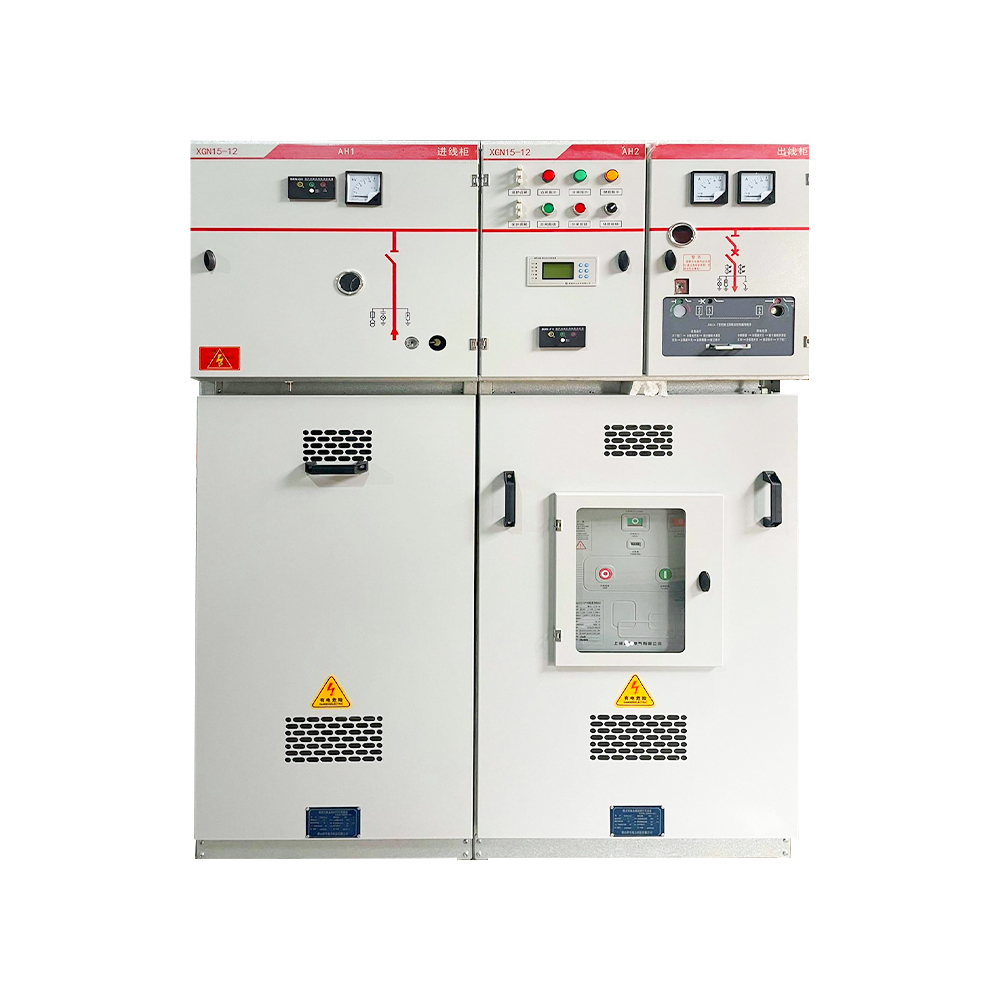
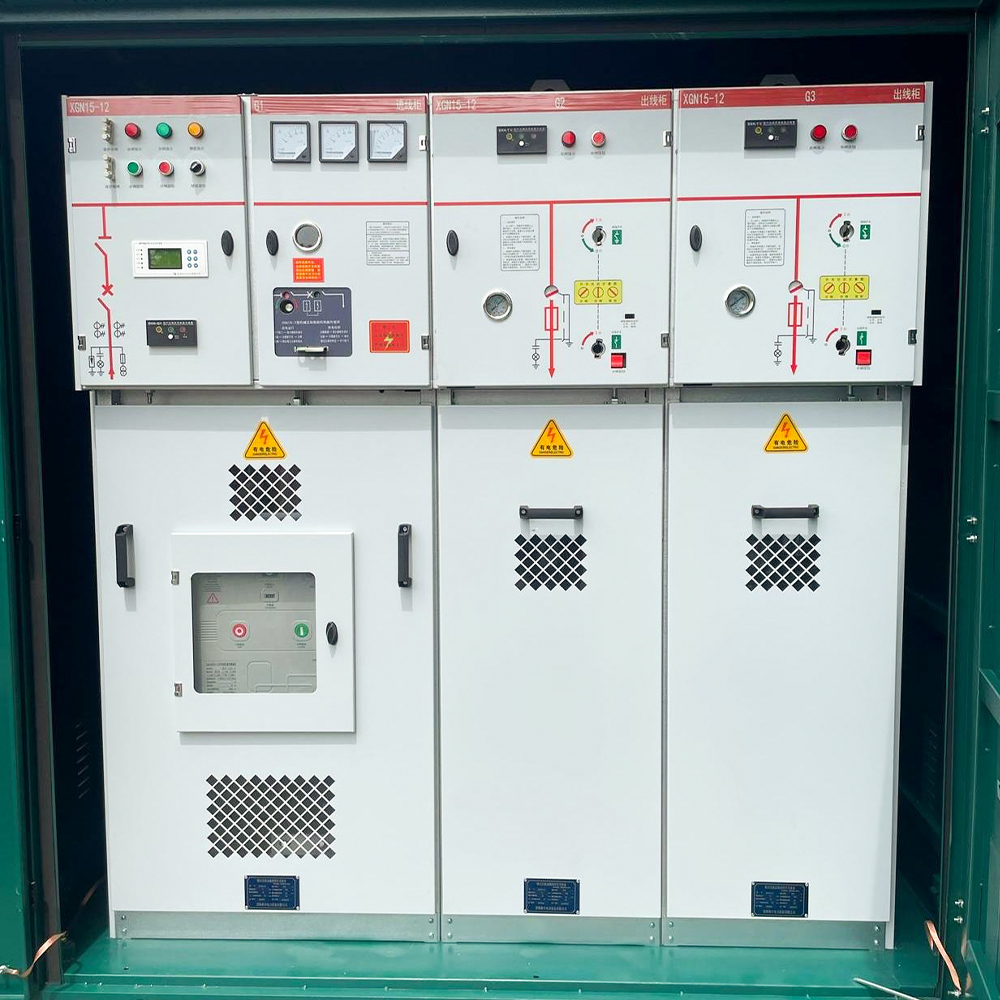
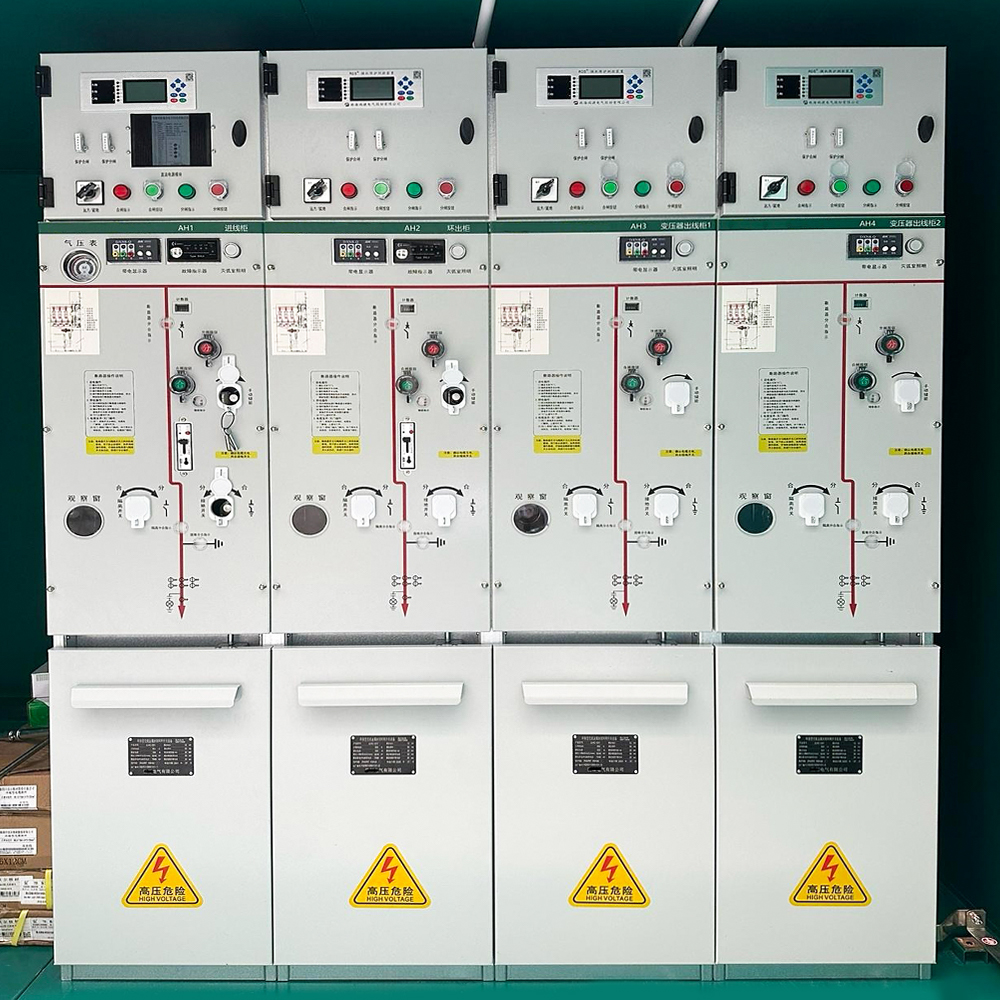
HV switchgear refers to electrical control and protection assemblies rated for voltages above 52 kV AC, typically up to 1,100 kV for transmission-class applications. These assemblies incorporate circuit breakers, disconnectors, earthing switches, instrument transformers, and protective relays within metal-enclosed or gas-insulated enclosures. Insulation media include SF₆ gas, vacuum, or oil, with gas-insulated switchgear (GIS) offering compact footprints and reduced maintenance requirements. Design and testing conform to IEC 62271 and GB/T 7674 standards. Configuration options include single-busbar, double-busbar, and one-and-a-half breaker arrangements. Applications are found in transmission substations, large industrial power supplies, and grid interconnection points. Maintenance involves periodic inspection of gas density, contact wear, and operating mechanism functionality, along with dielectric and partial discharge monitoring.
About
Jiangsu Hengyuan Transformer Co., Ltd.
Jiangsu Hengyuan Transformer Co., Ltd. is dedicated to providing safe, efficient, and reliable power equipment solutions for power systems, industrial sectors, and infrastructure projects. We are China HV Ring Main Unit (RMU) Manufacturers and Custom
HV Switchgear Factory.
We specialize in the R&D and manufacturing of power equipment, with main products including oil-immersed power transformers, dry-type transformers, combined transformers, high/low-voltage prefabricated substations, switchgear, cable branch boxes, power distribution boxes, and complete electrical equipment systems.
The company is among the first group of recommended manufacturers for urban and rural power grid construction and upgrading by the National Economic and Trade Commission of China.
Over the years, our products have been widely used in power systems across Jiangsu, Anhui, Shanghai, Jiangxi, Fujian, Zhejiang, Guangxi, Hebei, and other regions in China.
We specialize in the R&D and manufacturing of power equipment, with main products including oil-immersed power transformers, dry-type transformers, combined transformers, high/low-voltage prefabricated substations, switchgear, cable branch boxes, power distribution boxes, and complete electrical equipment systems.
The company is among the first group of recommended manufacturers for urban and rural power grid construction and upgrading by the National Economic and Trade Commission of China.
Over the years, our products have been widely used in power systems across Jiangsu, Anhui, Shanghai, Jiangxi, Fujian, Zhejiang, Guangxi, Hebei, and other regions in China.
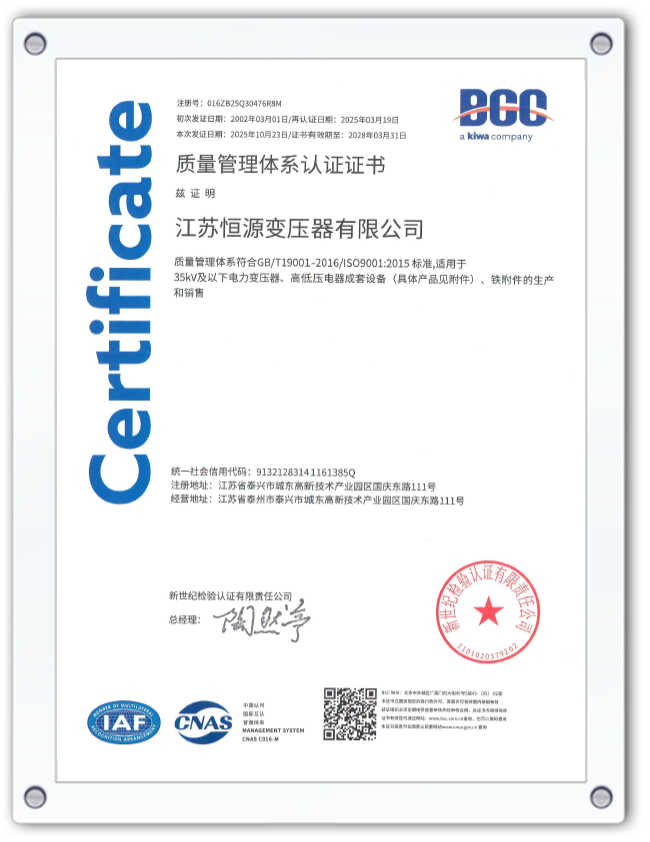
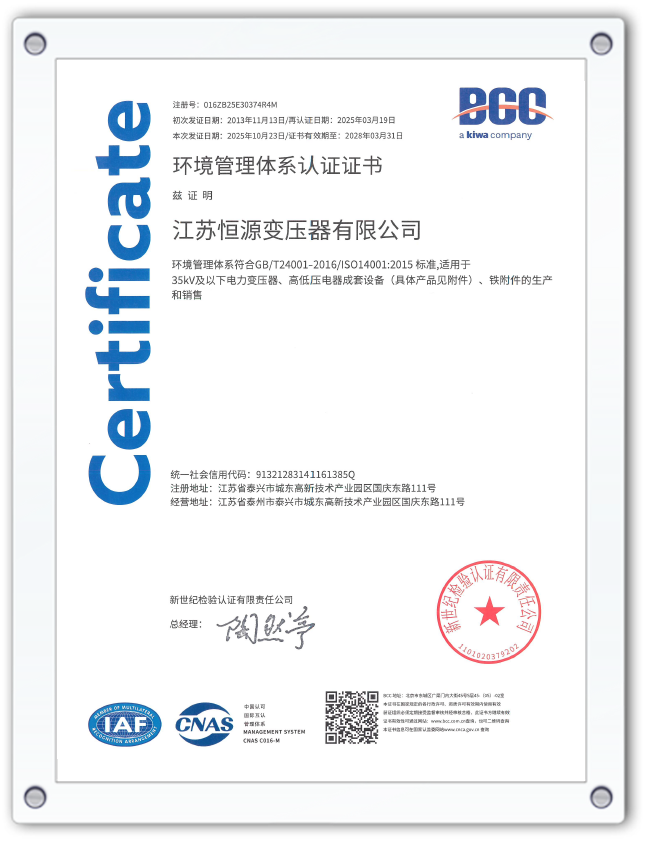
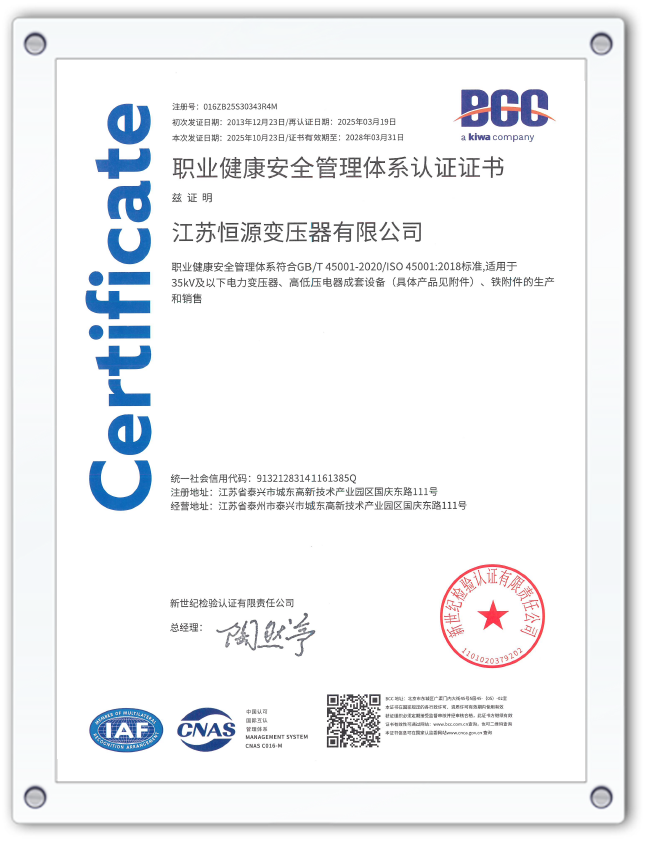
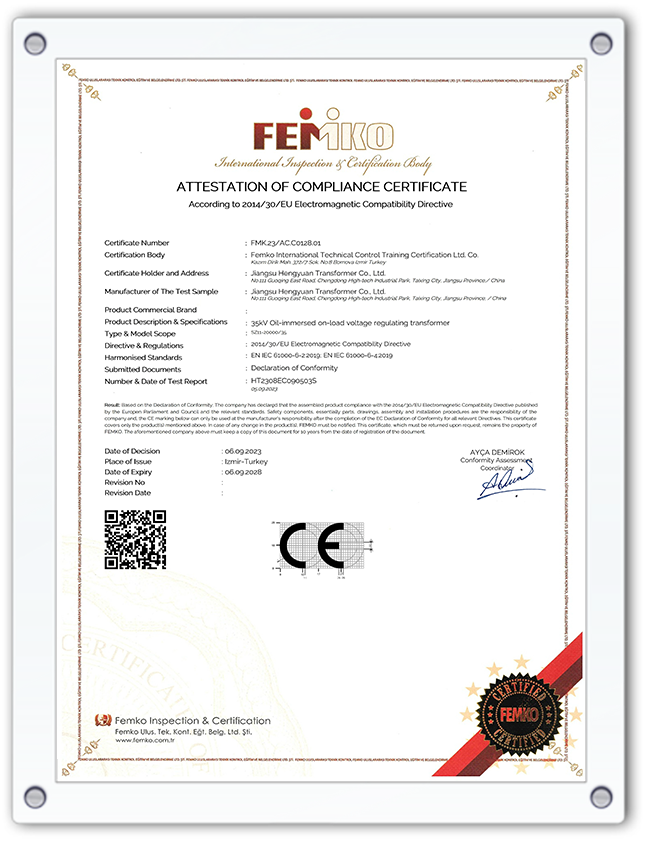
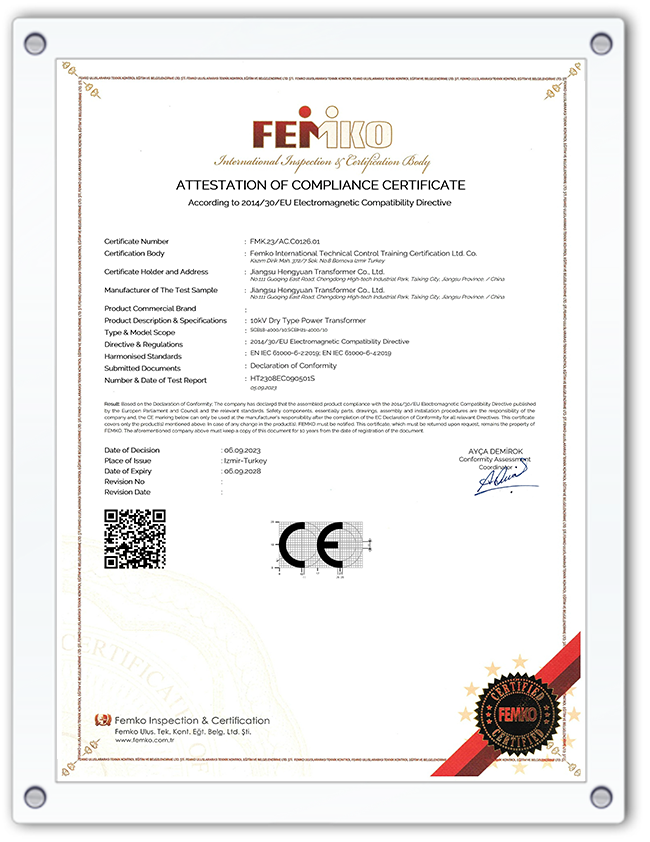
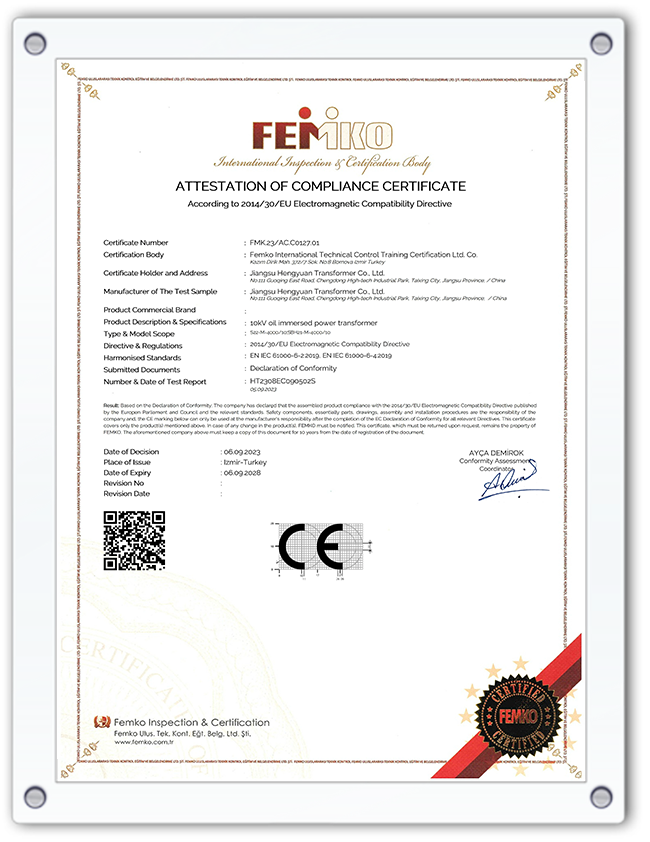
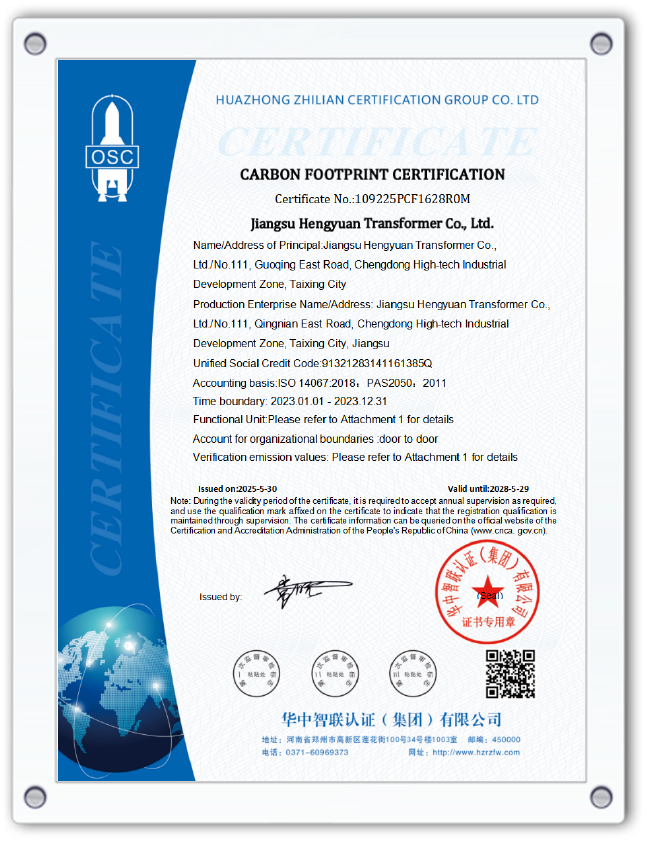
Certificate Of Honor



HV Switchgear Industry knowledge
How Does HV Switchgear Control and Isolate High Voltage Circuits?
High voltage power systems require reliable equipment to manage electrical energy transmission, protect critical components, and maintain operational safety. HV switchgear plays an essential role in controlling and isolating high voltage circuits by combining switching, protection, monitoring, and isolation functions within an integrated electrical system. Through the coordinated operation of circuit breakers, disconnectors, grounding switches, and protection devices, HV switchgear helps operators safely control power flow and respond to abnormal electrical conditions.
As a key component in power transmission and distribution networks, HV switchgear is widely applied in substations, industrial facilities, renewable energy systems, and infrastructure projects. Equipment such as the HV ring main unit (rmu) provides flexible power distribution and circuit protection, especially in medium and high voltage distribution environments where reliability and continuity are important.
The Control Function of HV Switchgear in High Voltage Circuits
HV switchgear controls the operation of high voltage circuits by allowing electrical equipment to be connected, disconnected, and regulated according to system requirements. The switching mechanism enables operators or automatic control systems to manage power distribution paths without interrupting the entire electrical network.
The main control components include circuit breakers and operating mechanisms. When a circuit requires maintenance or adjustment, the switchgear can disconnect specific sections while keeping other parts of the power system energized. This selective control improves system flexibility and reduces unnecessary downtime.
| Component | Main Function | Application Purpose |
|---|---|---|
| Circuit Breaker | Opens and closes high voltage circuits under normal and fault conditions | Controls power flow and interrupts fault currents |
| Disconnector | Provides visible electrical isolation | Ensures safe maintenance operations |
| Grounding Switch | Connects isolated circuits to ground | Prevents accidental energization during maintenance |
| Protection Relay | Detects abnormal electrical conditions | Sends signals for automatic circuit interruption |
Modern HV switchgear systems can also integrate monitoring and control technologies to improve operational efficiency. These systems allow real-time supervision of electrical parameters, helping operators identify potential issues before they affect power system stability.
How HV Switchgear Provides Circuit Isolation
Isolation is one of the most important safety functions of HV switchgear. During inspection, repair, or equipment replacement, electrical circuits must be separated from the power source to prevent electric shock risks and equipment damage.
HV switchgear achieves isolation through mechanical separation and grounding processes. The disconnector creates a physical gap between energized and non-energized sections, while grounding switches discharge residual electrical energy and establish a safe working condition.
Compared with simple switching devices, HV switchgear provides a complete isolation solution by combining switching, protection, and safety mechanisms in one system.
| Isolation Device | Function | Key Feature |
|---|---|---|
| Disconnector Switch | Separates electrical circuits | Provides visible isolation status |
| Earthing Switch | Grounds disconnected sections | Improves maintenance safety |
| Insulation System | Prevents unwanted current flow | Supports reliable high voltage operation |
The insulation structure of HV switchgear is also critical for maintaining safe isolation. Materials such as insulating barriers, solid insulation components, and high-performance dielectric materials help prevent electrical leakage and withstand voltage stress.
Protection Role of HV Switchgear Against Electrical Faults
Besides controlling and isolating circuits, HV switchgear provides protection against electrical faults such as short circuits, overloads, and insulation failures. When abnormal conditions occur, protection devices detect changes in electrical parameters and activate the circuit breaker to disconnect the affected section.
This fast response helps protect transformers, cables, generators, and other electrical equipment from damage. In complete power distribution systems, HV switchgear works together with transformers and protection systems to maintain stable electricity supply.
Jiangsu Hengyuan Transformer Co., Ltd. is dedicated to providing safe, efficient, and reliable power equipment solutions for power systems, industrial sectors, and infrastructure projects. The company specializes in the R&D and manufacturing of power equipment, with products covering oil-immersed power transformers, dry-type transformers, combined transformers, high/low-voltage prefabricated substations, switchgear, cable branch boxes, power distribution boxes, and complete electrical equipment systems.
Through advanced manufacturing capability and strict quality assurance processes, Jiangsu Hengyuan Transformer Co., Ltd. focuses on producing reliable electrical equipment for different power distribution requirements. Its modern production system and testing procedures support stable product performance throughout manufacturing and delivery.
Application of HV Ring Main Unit (RMU) in Distribution Networks
The HV ring main unit (rmu) is an important type of compact switchgear used for power distribution and circuit protection. It combines switching devices, protection components, and insulation structures into a compact enclosure, making it suitable for areas requiring efficient space utilization and reliable power management.
HV ring main unit (rmu) systems are commonly used in urban power networks, industrial distribution systems, commercial buildings, and infrastructure applications. They help divide distribution networks into multiple sections, allowing operators to isolate faults and maintain power supply continuity.
| Equipment Type | Function | Typical Application |
|---|---|---|
| HV Switchgear | Controls and protects high voltage circuits | Substations and industrial power systems |
| HV Ring Main Unit (RMU) | Provides compact distribution switching and protection | Urban and infrastructure power networks |
| Prefabricated Substation | Integrates transformer and distribution equipment | Outdoor power distribution applications |
Jiangsu Hengyuan Transformer Co., Ltd. provides various power transmission and distribution equipment solutions, including switchgear and complete electrical equipment systems. With rich industry experience in transformer and power equipment manufacturing, the company supports different applications requiring safe and stable electrical operation.
Materials and Design Factors Affecting HV Switchgear Performance
The design and material selection of HV switchgear directly influence insulation performance, mechanical reliability, and service life. Different components require specific materials to meet electrical and environmental requirements.
| Part | Common Material Type | Performance Requirement |
|---|---|---|
| Enclosure | Metal alloy structure | Mechanical strength and environmental protection |
| Insulation Components | High-performance insulating materials | Electrical insulation and safety |
| Conductive Parts | Copper or conductive alloy materials | Efficient current transmission |
| Sealing Components | Weather-resistant materials | Protection against moisture and dust |
A properly designed HV switchgear system must consider voltage level, installation environment, maintenance requirements, and protection coordination. These factors ensure that the equipment can operate safely under different electrical conditions.
Conclusion
HV switchgear controls and isolates high voltage circuits by integrating switching, protection, insulation, and grounding functions into a coordinated electrical system. It allows safe operation, effective fault management, and reliable power distribution across various applications.
With technologies such as HV ring main unit (rmu), modern switchgear systems provide flexible solutions for high voltage power networks. Jiangsu Hengyuan Transformer Co., Ltd. continues to focus on power equipment development and manufacturing, delivering electrical solutions designed for reliable transmission and distribution applications.
FAQ
1. What is the main function of HV switchgear?
HV switchgear controls electrical circuits, protects equipment from faults, and provides safe isolation for maintenance and system operation.
2. How does HV switchgear protect electrical equipment?
HV switchgear uses circuit breakers, protection relays, and monitoring components to detect faults and disconnect affected circuits.
3. What is the role of an HV ring main unit (RMU)?
An HV ring main unit (RMU) provides compact switching and protection functions for high voltage distribution networks, improving system flexibility and reliability.
4. Why is circuit isolation important in high voltage systems?
Circuit isolation prevents accidental energization during maintenance and creates a safer working environment for electrical personnel.
5. What factors should be considered when selecting HV switchgear?
Selection should consider voltage requirements, installation conditions, protection functions, insulation performance, maintenance needs, and system compatibility.
Jiangsu Hengyuan Transformer

Jiangsu Hengyuan Transformer
Jiangsu Hengyuan Transformer
Jiangsu Hengyuan Transformer
 Contact
If You Have Any Questions, Please Contact Us

Jiangsu Hengyuan Transformer Co., Ltd. is dedicated to providing safe, efficient, and reliable power equipment solutions for power systems, industrial sectors, and infrastructure construction. We are China Custom
HV Switchgear Manufacturers.
Contact
-

wxj.810@163.com
-

+86-523-82962116
-

No. 111, Guoqing East Road, Chengdong High-tech Industrial Park, Taixing City, Jiangsu Province, China
Copyright © 2026 by Jiangsu Hengyuan Transformer Co., Ltd. Rights Reserved.
