 English
 русский
 Español
 عربى
عربىHow Does a Single Phase Distribution Transformer Improve Modern Power Distribution Systems?
Content
- 1 Introduction: The Growing Role of Single Phase Distribution Transformers in Power Networks
- 2 What Is a Single Phase Distribution Transformer and How Does It Work?
- 3 Why Are Single Phase Distribution Transformers Important for Power Distribution Systems?
- 4 Applications of Single Phase Distribution Transformer for Residential and Commercial Systems
- 5 How Does a High Efficiency Single Phase Distribution Transformer Reduce Energy Loss?
- 6 Key Features of Modern Single Phase Distribution Transformers
- 7 How to Select the Right Single Phase Distribution Transformer for Electrical Systems?
- 8 Single Phase Dry Type Transformer vs Oil Filled Transformer
- 9 How Does a Single Phase Distribution Transformer Improve Power Supply Reliability?
- 10 Maintenance Requirements for Single Phase Distribution Transformers
- 11 Future Development Trends of Single Phase Distribution Transformers
- 12 Conclusion
- 13 FAQ
- 13.0.1 1. What is a single phase distribution transformer used for?
- 13.0.2 2. How does a single phase distribution transformer improve energy efficiency?
- 13.0.3 3. What factors should be considered when selecting a single phase distribution transformer?
- 13.0.4 4. What is the difference between dry type and oil filled single phase transformers?
- 13.0.5 5. How can the service life of a single phase distribution transformer be improved?
Introduction: The Growing Role of Single Phase Distribution Transformers in Power Networks
With the continuous development of residential, commercial, industrial, and renewable energy applications, reliable electricity distribution has become increasingly important. Power systems require equipment that can efficiently convert voltage levels, maintain stable power supply, and support different types of electrical loads. Among these essential components, the single phase distribution transformer (0.22-10kV) plays an important role in delivering safe and stable electricity from distribution networks to end users.
A single phase distribution transformer is designed to reduce medium voltage electricity to a usable low voltage level for various applications. It is widely applied in residential power distribution, commercial facilities, rural power networks, and small industrial electrical systems. Compared with general transformer solutions, this type of transformer focuses on stable single-phase power conversion, compact structure, reliable operation, and convenient maintenance.
What Is a Single Phase Distribution Transformer and How Does It Work?
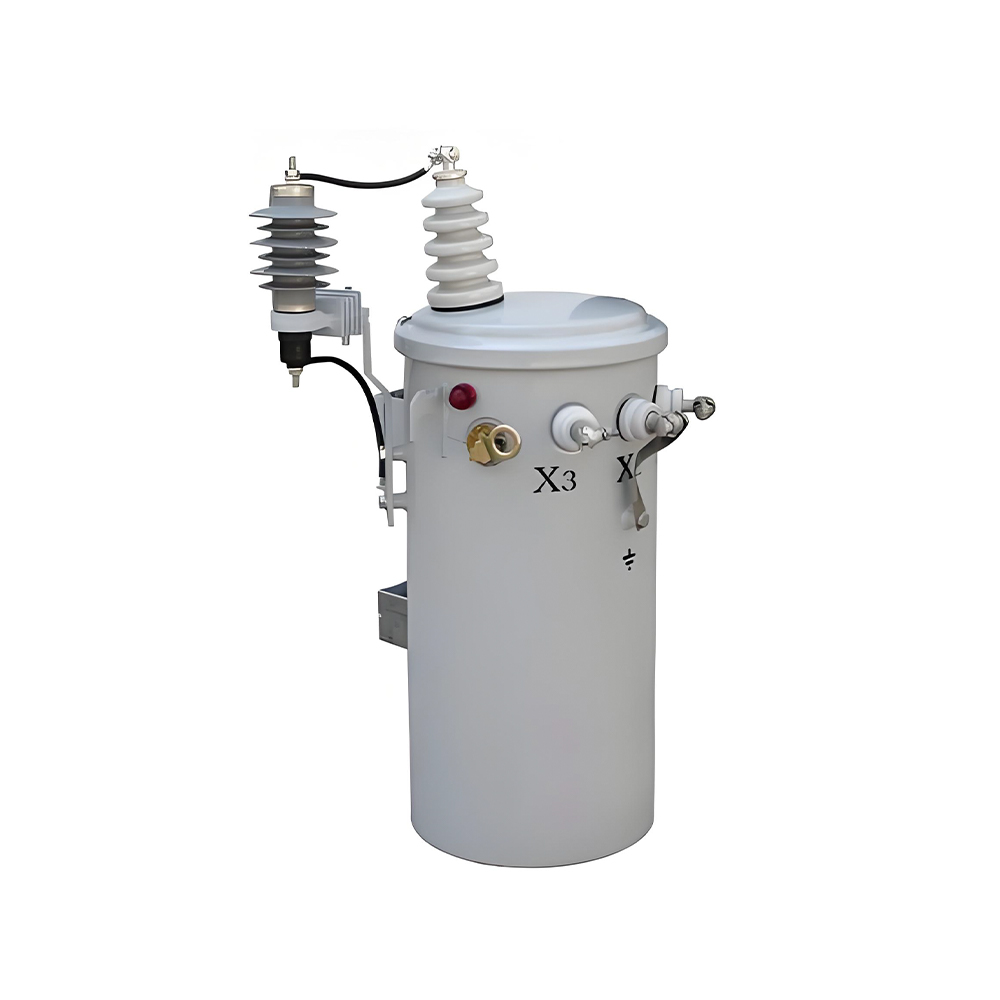
A single phase distribution transformer is an electrical device that transfers electrical energy between different voltage levels through electromagnetic induction. The main purpose is to convert higher distribution voltage into a lower voltage suitable for consumer equipment and electrical installations.
The voltage range of a single phase distribution transformer (0.22-10kV) allows it to meet different power distribution requirements. It can be configured for various input and output voltage conditions according to system requirements.
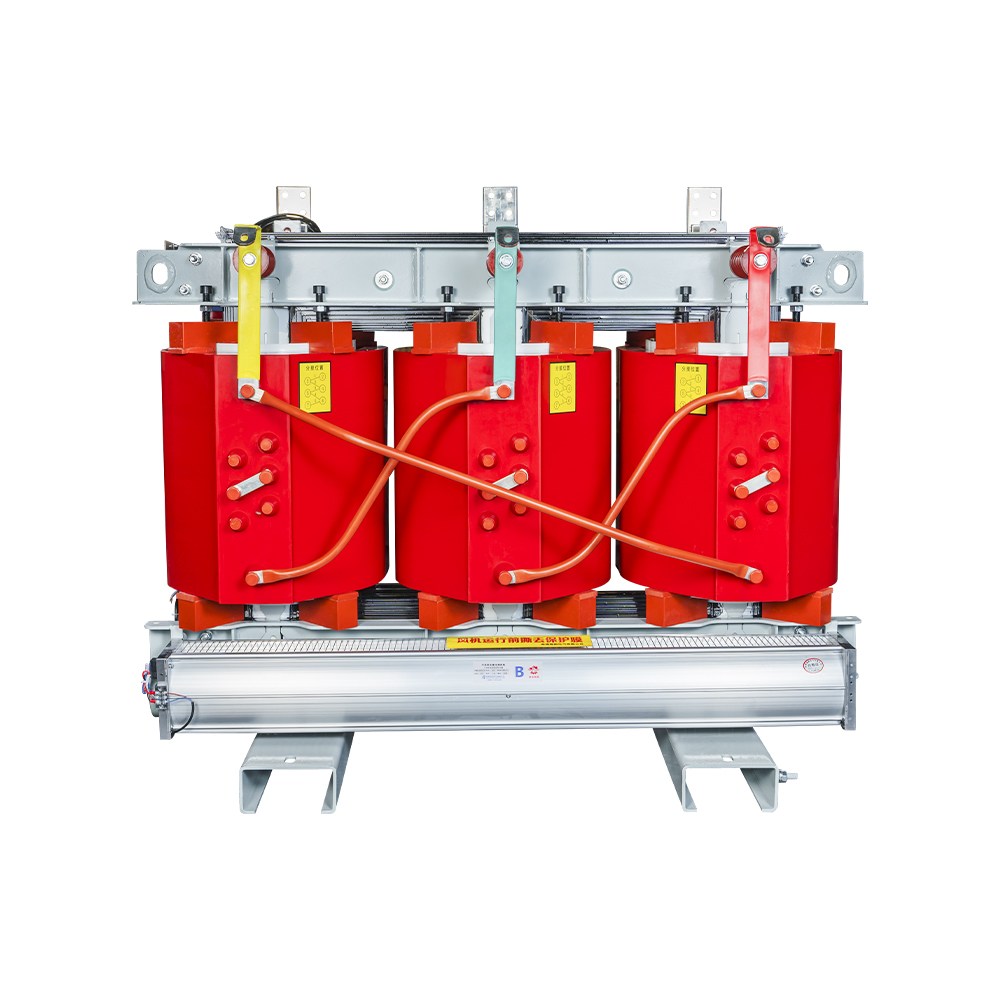
The basic structure generally includes a magnetic core, primary winding, secondary winding, insulation system, and protection components.
| Component | Function |
|---|---|
| Magnetic Core | Provides a magnetic path for efficient energy transfer |
| Primary Winding | Receives input voltage and creates magnetic flux |
| Secondary Winding | Outputs converted voltage for electrical loads |
| Insulation System | Prevents electrical leakage and improves safety |
| Cooling Structure | Controls operating temperature during continuous operation |
| Protection Components | Helps prevent damage caused by abnormal conditions |
The working principle is based on electromagnetic induction. When alternating current flows through the primary winding, it generates a changing magnetic field inside the core. This magnetic flux induces voltage in the secondary winding, allowing electrical energy to be transferred while maintaining electrical isolation between input and output circuits.
This process enables the single phase distribution transformer to provide stable voltage conversion while protecting connected electrical equipment.
Why Are Single Phase Distribution Transformers Important for Power Distribution Systems?
Modern electrical networks require reliable voltage transformation between transmission systems and end-use equipment. A single phase distribution transformer provides a connection point between distribution lines and consumer electrical loads.
Stable Voltage Conversion
One of the primary functions of a single phase power distribution transformer is maintaining appropriate voltage levels. Electricity generated and transmitted through power networks usually requires voltage adjustment before reaching residential or commercial users.
By reducing distribution voltage to a suitable level, transformers help ensure electrical devices receive stable power and operate under proper conditions.
Supporting Distributed Power Supply
Single phase distribution transformers are suitable for areas where electrical loads are distributed across multiple locations. They are commonly used in:
- Residential communities
- Rural electricity networks
- Small commercial buildings
- Independent power supply systems
Their compact structure and flexible installation characteristics make them suitable for decentralized power distribution.
Improving Power Supply Reliability
A properly selected transformer helps minimize voltage fluctuations and improves the consistency of electricity delivery. Stable power supply is essential for household appliances, commercial equipment, and industrial control systems.
Applications of Single Phase Distribution Transformer for Residential and Commercial Systems
The application range of single phase distribution transformer for residential and commercial applications continues to expand due to increasing electricity demand and diversified power requirements.
| Application Area | Main Requirements | Transformer Benefits |
|---|---|---|
| Residential Buildings | Stable household electricity supply | Provides reliable low-voltage power conversion |
| Commercial Facilities | Continuous operation of electrical equipment | Supports different electrical loads |
| Rural Power Networks | Flexible distribution solutions | Suitable for decentralized power supply |
| Small Industrial Facilities | Stable equipment operation | Helps maintain consistent voltage output |
| Renewable Energy Systems | Grid connection and power regulation | Supports distributed energy integration |
In residential applications, transformers provide electricity conversion for lighting systems, household appliances, and other daily electrical needs.
In commercial environments, such as offices, shopping facilities, and public buildings, stable electricity is required for lighting, communication equipment, HVAC systems, and other electrical devices. A reliable transformer helps maintain continuous operation.
For small industrial applications, single phase transformers can provide suitable power supply for equipment that does not require three-phase power systems.
How Does a High Efficiency Single Phase Distribution Transformer Reduce Energy Loss?
Energy efficiency has become an important consideration in transformer selection. A high efficiency single phase distribution transformer is designed to reduce unnecessary energy consumption during operation and improve long-term power system performance.
Reducing No-Load Loss
No-load loss occurs when the transformer remains energized without supplying external loads. Improvements in magnetic core design and material selection can reduce these losses.
Efficient core structures help minimize magnetic losses and improve overall transformer performance.
Reducing Load Loss
Load loss mainly occurs when current flows through transformer windings. Optimized winding design and suitable conductor materials can reduce resistance losses during operation.
Lower load loss contributes to:
- Improved energy utilization
- Reduced operating costs
- Better thermal performance
Supporting Sustainable Power Management
Energy efficient transformers contribute to modern power management strategies. By reducing electricity waste during continuous operation, they support more sustainable electrical infrastructure.
| Efficiency Factor | Influence on Performance |
|---|---|
| Core Material | Determines magnetic loss characteristics |
| Winding Design | Affects load loss and temperature performance |
| Insulation Quality | Improves operational reliability |
| Cooling Performance | Maintains stable operating conditions |
Key Features of Modern Single Phase Distribution Transformers
Modern single phase distribution transformers combine electrical performance, safety design, and installation flexibility to meet different application requirements.
Compact Structure
Space availability is an important factor in many installation environments. Compact transformer designs allow easier integration into residential, commercial, and industrial power systems.
Stable Electrical Performance
Reliable voltage regulation helps maintain consistent output power. This is important for protecting sensitive electrical equipment from unstable voltage conditions.
Enhanced Safety Protection
Safety features are essential for long-term transformer operation. Modern designs usually focus on:
- Improved insulation systems
- Better temperature control
- Reliable protection structures
- Safer electrical connections
| Feature | Description | Application Advantage |
|---|---|---|
| High Efficiency Design | Reduces energy losses during operation | Improves energy utilization |
| Reliable Insulation | Enhances electrical safety | Supports stable operation |
| Voltage Regulation Capability | Maintains output voltage consistency | Protects connected equipment |
| Maintenance-Friendly Structure | Simplifies inspection work | Reduces service difficulty |
How to Select the Right Single Phase Distribution Transformer for Electrical Systems?
Choosing the correct transformer requires consideration of electrical requirements, installation conditions, and long-term operating demands.
Rated Capacity
The transformer capacity should match the actual electrical load requirements. Selecting an unsuitable capacity may lead to inefficient operation or excessive loading.
Voltage Requirements
Important voltage factors include:
- Input voltage level
- Output voltage requirement
- Frequency compatibility
- System connection method
The selected transformer should match the electrical system specifications.
Installation Environment
The working environment directly affects transformer performance. Factors such as temperature, humidity, ventilation, and installation location should be considered.
Efficiency Requirements
For long-term operation, efficiency is an important factor. Energy efficient models can reduce operating losses and improve overall system economics.
| Selection Factor | Key Consideration |
|---|---|
| Power Capacity | Match with connected electrical loads |
| Voltage Ratio | Ensure compatibility with distribution systems |
| Installation Conditions | Select suitable structural design |
| Efficiency Level | Balance performance and energy consumption |
| Maintenance Requirements | Consider inspection convenience |
Single Phase Dry Type Transformer vs Oil Filled Transformer
Single phase dry type transformer and single phase oil filled transformer are two common transformer solutions. Each type has different characteristics depending on installation requirements.
| Comparison Item | Dry Type Transformer | Oil Filled Transformer |
|---|---|---|
| Cooling Method | Air-based cooling | Oil-based cooling |
| Installation Environment | Commonly used indoors | Suitable for outdoor applications |
| Maintenance | Requires less fluid-related maintenance | Requires oil condition inspection |
| Safety Consideration | Suitable for areas requiring clean operation | Suitable for distribution networks |
| Application Focus | Buildings and industrial facilities | Utility and outdoor power systems |
Dry type transformers are often selected for environments where cleanliness and safety are important. Oil filled transformers are widely used where efficient heat dissipation and outdoor installation are required.
The correct selection depends on project requirements, operating environment, and maintenance expectations.
How Does a Single Phase Distribution Transformer Improve Power Supply Reliability?
Power reliability depends on stable voltage output, proper protection, and suitable equipment selection.
Voltage Stabilization
A single phase distribution transformer helps regulate voltage levels between distribution networks and end-use equipment. Stable voltage improves the operational reliability of connected devices.
Electrical Isolation
Transformer isolation separates input and output circuits, helping improve electrical safety and reduce the impact of certain electrical disturbances.
Long-Term Operation Capability
With proper design and maintenance, transformers can provide continuous power conversion for many applications.
Reliable transformer operation is especially important in locations where power interruptions may affect daily activities or equipment performance.
Maintenance Requirements for Single Phase Distribution Transformers
Regular maintenance helps maintain transformer performance and extend service life.
Visual Inspection
Routine inspections should check:
- External condition
- Connection status
- Signs of overheating
- Abnormal noise or vibration
Electrical Testing
Electrical tests help evaluate transformer condition, including:
- Insulation performance
- Voltage output stability
- Connection reliability
Environmental Management
Keeping the installation area clean and properly ventilated helps improve cooling performance and reduce external contamination.
| Maintenance Item | Purpose |
|---|---|
| Visual Inspection | Detect potential operating issues |
| Connection Check | Prevent loose electrical connections |
| Insulation Testing | Maintain electrical safety |
| Temperature Monitoring | Avoid overheating conditions |
Future Development Trends of Single Phase Distribution Transformers
The future development of single phase distribution transformer technology is closely connected with energy efficiency, digital monitoring, and modern power systems.
Higher Energy Efficiency
Future transformer designs will continue focusing on:
- Lower energy losses
- Improved materials
- Better thermal management
Energy efficient single phase transformer solutions will become increasingly important as power systems focus on sustainability.
Intelligent Monitoring
Digital technologies are gradually being integrated into power equipment. Intelligent monitoring systems can help track transformer conditions and improve maintenance planning.
Potential functions include:
- Operating status monitoring
- Temperature measurement
- Fault warning
- Remote management
Supporting Renewable Energy Integration
With the growth of distributed energy resources, transformers need to support more flexible power flow management. Single phase distribution transformers can play an important role in connecting renewable energy systems with local distribution networks.
Conclusion
The single phase distribution transformer (0.22-10kV) is an important component in modern electrical distribution systems. It provides reliable voltage conversion, supports residential and commercial electricity needs, and improves power supply stability.
A high efficiency single phase distribution transformer can reduce energy losses, improve operational performance, and support more sustainable power management. When selecting a transformer, factors such as voltage requirements, capacity, installation environment, efficiency, and maintenance needs should be carefully considered.
With continuous improvements in energy efficiency and intelligent technologies, single phase distribution transformers will continue to support reliable and flexible power distribution systems in the future.
FAQ
1. What is a single phase distribution transformer used for?
A single phase distribution transformer is mainly used to convert distribution voltage into a suitable level for residential, commercial, and small industrial electrical applications.
2. How does a single phase distribution transformer improve energy efficiency?
It improves efficiency through optimized core materials, reduced winding losses, and improved structural design that minimizes energy waste during operation.
3. What factors should be considered when selecting a single phase distribution transformer?
Important factors include rated capacity, voltage ratio, installation environment, efficiency requirements, and maintenance conditions.
4. What is the difference between dry type and oil filled single phase transformers?
Dry type transformers use air cooling and are commonly used indoors, while oil filled transformers use insulating oil for cooling and are often applied in outdoor distribution systems.
5. How can the service life of a single phase distribution transformer be improved?
Regular inspection, electrical testing, proper cooling, and timely maintenance can help maintain reliable transformer operation and extend service life.

 Contact

Contact
-

wxj.810@163.com
-

+86-523-82962116
-

No. 111, Guoqing East Road, Chengdong High-tech Industrial Park, Taixing City, Jiangsu Province, China
Copyright © 2026 by Jiangsu Hengyuan Transformer Co., Ltd. Rights Reserved.
