English
 русский
 Español
 عربى
عربىUnderstanding Three Phase Power Transformers: Fundamentals and Operating Principles
Three phase power transformers are static electrical devices that transfer electrical energy between three-phase circuits through electromagnetic induction. These transformers are the backbone of industrial power distribution systems, enabling voltage transformation between generation, transmission, and utilization levels while maintaining power quality and system stability.
The fundamental operating principle of any transformer is based on Faraday's Law of Electromagnetic Induction. When alternating current flows through the primary winding, it creates a varying magnetic flux in the transformer core. This varying flux induces a voltage in the secondary winding proportional to the turns ratio between the windings. In three phase transformers, this principle is applied across three phases, with magnetic circuits arranged to handle the three-phase power flow efficiently.
Three phase transformers offer significant advantages over single-phase transformers for industrial applications. They are more compact, lighter, and more cost-effective for equivalent power ratings. Three phase transformers also provide better voltage regulation and higher efficiency due to more balanced magnetic circuit design. These advantages make three phase transformers the standard choice for industrial power distribution, motor control centers, and large electrical loads.
For detailed product specifications and ordering information, visit our three phase power transformer product page.
Transformer Core and Winding Configurations
The physical construction of three phase transformers involves core design and winding arrangements that determine electrical performance, physical size, and application suitability.
Core Type Designs
Three phase transformer cores are constructed using laminated electrical steel to minimize eddy current losses. The two primary core configurations are core type and shell type designs. Core type transformers have windings wrapped around the core legs, while shell type transformers have the core surrounding the windings. Core type designs are more common for distribution transformers due to lower manufacturing costs and simpler cooling arrangements.
Core material selection is critical for transformer performance. High-grade grain-oriented silicon steel provides low core losses and high permeability, improving efficiency and reducing operating temperature. Amorphous metal cores offer even lower losses but at higher material cost and with different mechanical properties affecting transformer construction and handling.
Winding Configurations: Delta and Wye Connections
Three phase transformer windings can be connected in delta or wye configurations on the primary and secondary sides. Delta connections provide a path for third harmonic currents and are commonly used on the primary side of step-down transformers. Wye connections provide a neutral point for grounding and are typically used on secondary windings for distribution systems.
The connection combination determines transformer behavior and application suitability. Delta-wye transformers provide neutral grounding on the secondary side and are standard for industrial distribution. Delta-delta transformers are used where isolation from ground faults is required. Wye-wye transformers are common in high-voltage transmission applications but require careful consideration of third harmonic currents.
Voltage Ratio and Tap Changers
The voltage ratio of a three phase transformer is determined by the turns ratio between primary and secondary windings. Standard voltage ratios for industrial transformers include 11kV/415V for distribution, 33kV/11kV for sub-transmission, and various ratios for specific applications. Tap changers provide voltage adjustment capability, compensating for system voltage variations and maintaining output voltage within acceptable limits.
Tap changers are classified as off-circuit or on-load types. Off-circuit tap changers require transformer de-energization for adjustment and are suitable for applications where voltage variations are infrequent. On-load tap changers enable voltage adjustment while the transformer remains energized and are used where voltage regulation is critical for process stability.
Cooling Methods and Thermal Performance
Transformer cooling is essential for maintaining operating temperatures within design limits and ensuring service life. The cooling method determines the transformer rating and application suitability.
Oil-Immersed Cooling Systems
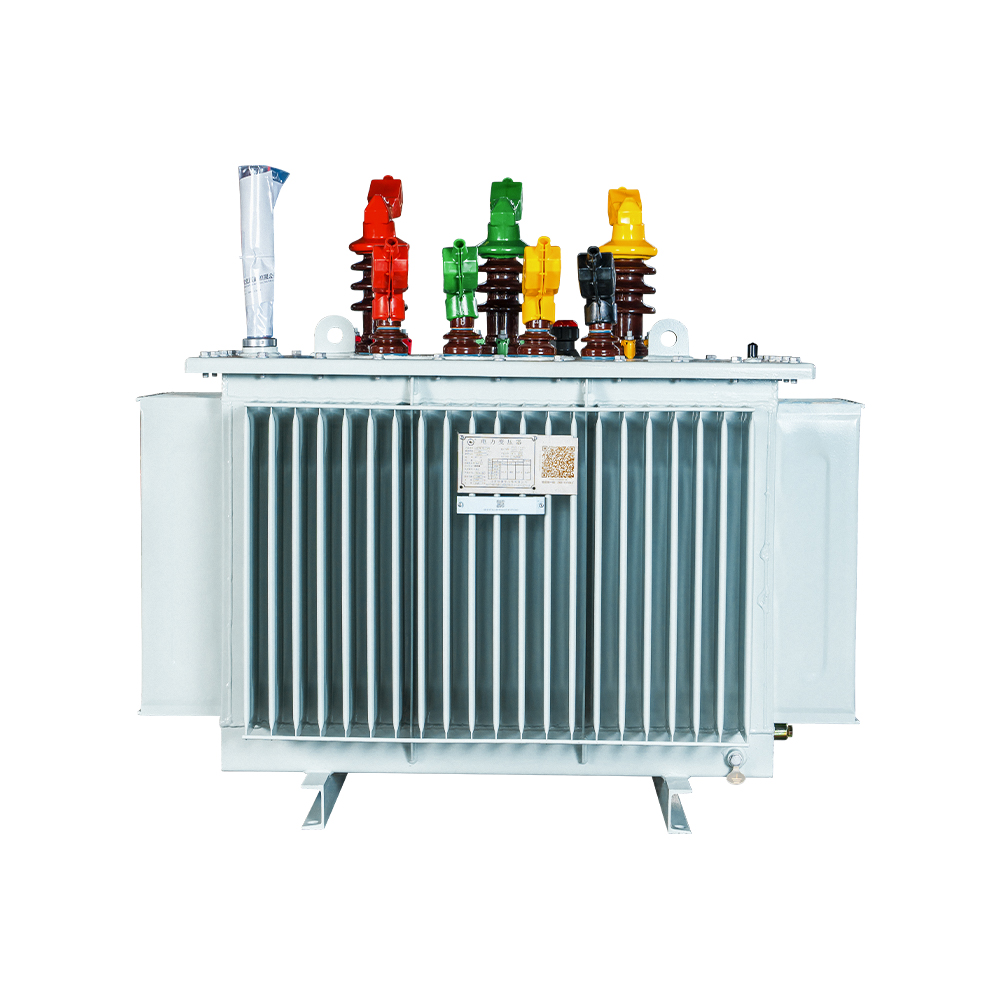
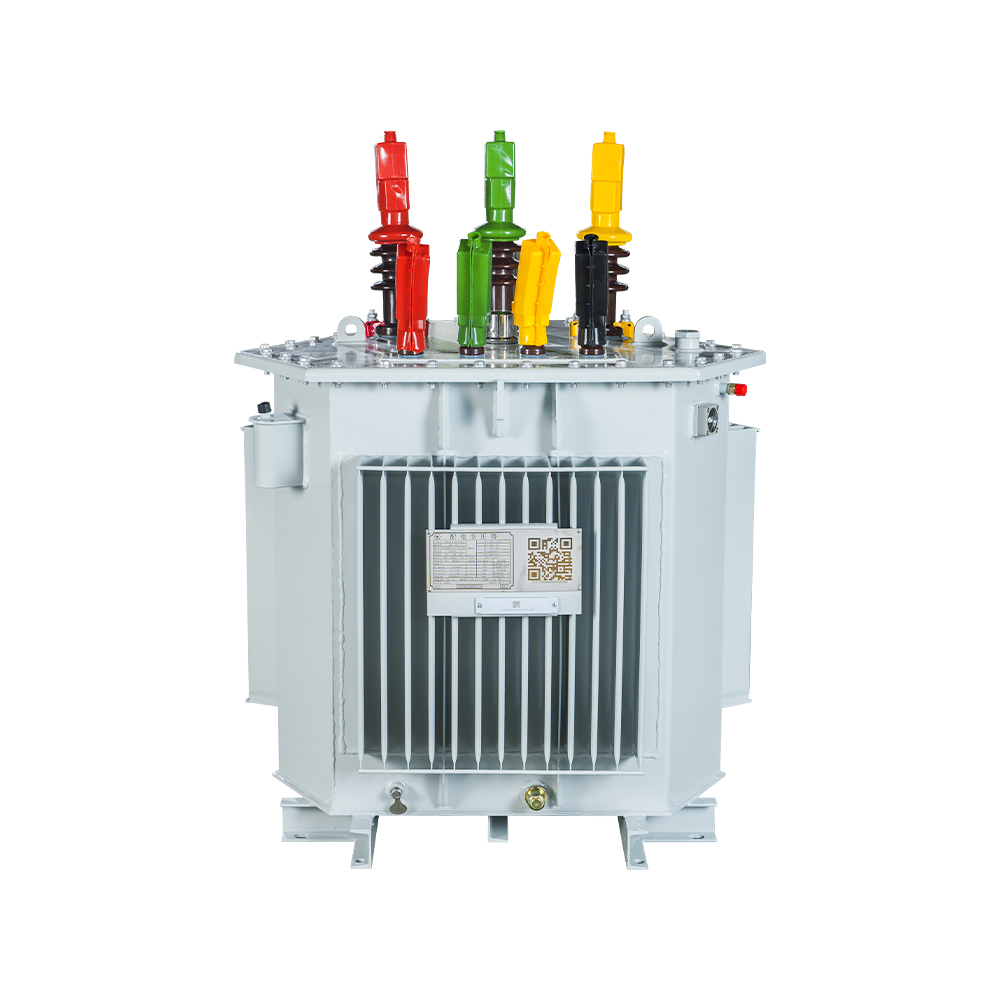
Oil-immersed transformers use mineral oil or synthetic dielectric fluids for both electrical insulation and cooling. Oil cooling provides excellent heat transfer properties and enables high power density in compact designs. The oil circulates through the transformer core and windings, absorbing heat and transferring it to the tank surface for dissipation.
Oil-immersed transformers are classified by cooling method using standard designations. ONAN (Oil Natural, Air Natural) transformers rely on natural circulation of oil and air for cooling. ONAF (Oil Natural, Air Forced) transformers use fans to increase air flow over cooling fins, boosting transformer rating by up to 30 percent. OFAF (Oil Forced, Air Forced) transformers use pumps to circulate oil and fans for air cooling, providing maximum cooling capacity.
Dry-Type Cooling Systems
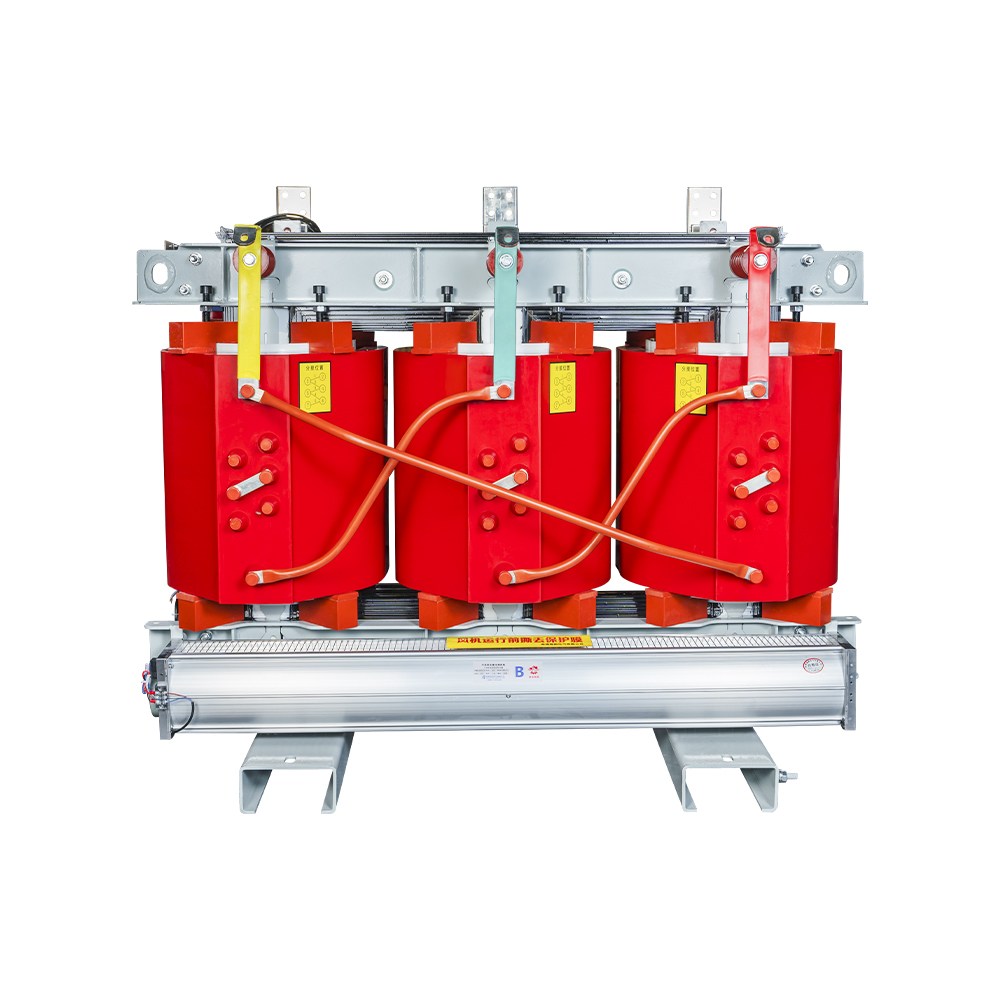
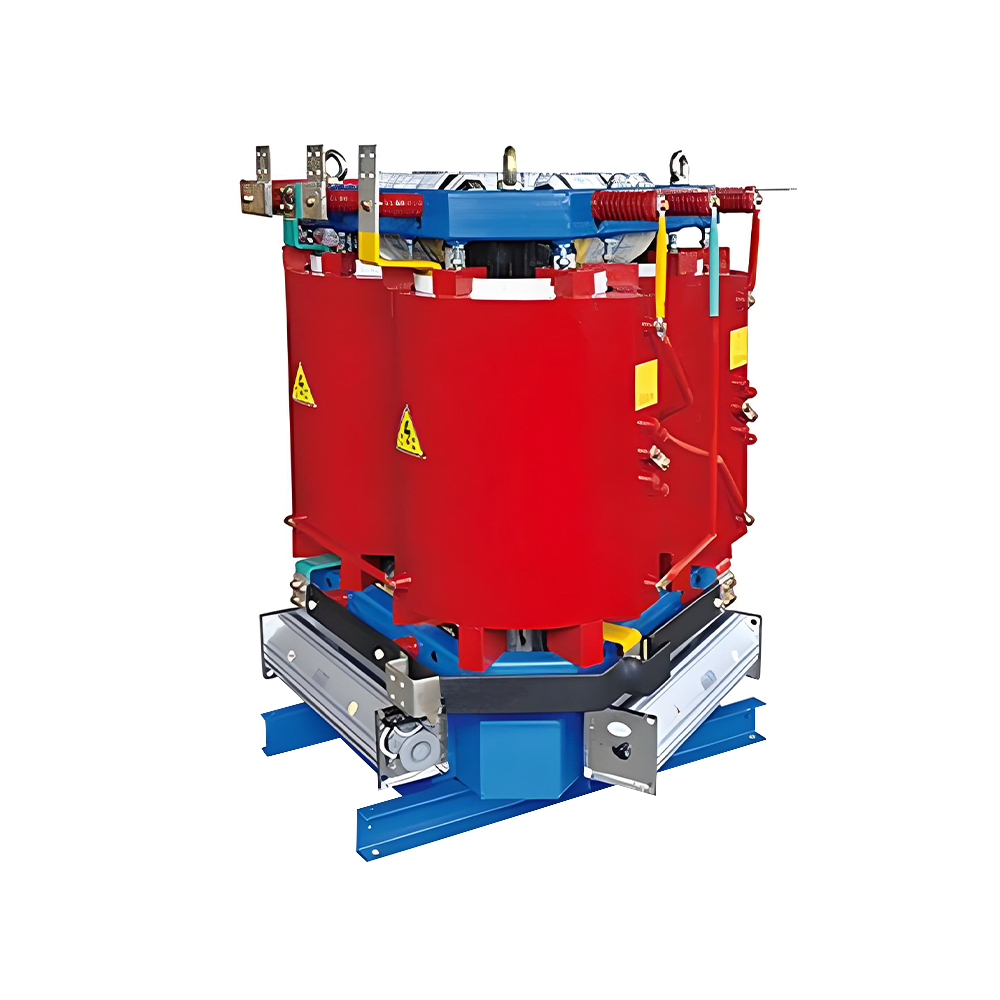
Dry-type transformers use air as the cooling medium, eliminating the need for oil-filled tanks. These transformers are preferred for indoor installations where oil leakage would create safety or environmental concerns. Dry-type transformers are available in ventilated or sealed enclosures, with cooling methods including natural ventilation and forced air circulation.
Ventilated dry-type transformers rely on natural air circulation for cooling, with openings in the enclosure allowing heat dissipation. Encapsulated dry-type transformers are sealed to prevent moisture ingress and are suitable for outdoor or harsh environment installations. Both types offer similar performance characteristics to oil-immersed designs but at lower power density and generally higher cost.
Cooling System Selection Criteria
Cooling method selection depends on installation location, power rating, environmental conditions, and safety requirements. Oil-immersed transformers provide the highest power density and are cost-effective for high-power applications. Dry-type transformers are preferred for indoor installations due to fire safety considerations. Environmental regulations in some jurisdictions limit oil-filled transformer use, requiring synthetic fluids or dry-type alternatives.
Transformer Efficiency and Performance Standards
Transformer efficiency and performance standards define minimum requirements for distribution transformers, driving energy savings and environmental benefits.
Loss Components
Transformer losses consist of core losses and copper losses. Core losses, also known as no-load losses, occur whenever the transformer is energized regardless of load. These losses are caused by hysteresis and eddy currents in the transformer core. Copper losses, also known as load losses, increase with load current and are proportional to the square of the load current.
Total transformer losses are the sum of core losses and copper losses. At full load, copper losses typically account for 70 to 80 percent of total losses, while core losses account for the remaining 20 to 30 percent. Transformer efficiency is highest when these two loss components are balanced, typically around 50 to 70 percent load.
DOE 2016 Efficiency Standards
The U.S. Department of Energy 2016 efficiency standards define minimum efficiency requirements for distribution transformers. These standards apply to liquid-immersed and dry-type transformers in specific voltage and power ranges. Compliance with DOE standards is mandatory for transformers sold in the United States.
DOE 2016 standards set maximum permitted loss levels, effectively defining minimum efficiency requirements. For example, a 1000 kVA liquid-immersed transformer must achieve an efficiency of approximately 99.3 percent under specified test conditions. High-efficiency transformers exceeding DOE requirements are available for applications where energy cost savings justify additional investment.
Efficiency Testing Methods
Transformer efficiency is tested using methods specified in IEEE C57.12.00 and IEC 60076 standards. The loss measurement method determines core losses and copper losses at specified temperature and voltage conditions. Efficiency results are corrected to reference conditions for comparison with standard requirements.
Testing includes no-load loss measurement to determine core losses, load loss measurement at rated current to determine copper losses, and temperature rise testing to verify cooling system performance. Efficiency calculations combine these measurements to determine overall transformer performance.
Voltage Regulation and Impedance
Voltage regulation and impedance are critical performance parameters affecting transformer behavior and system interaction.
Voltage Regulation Definition
Voltage regulation is the change in secondary voltage as load current increases from zero to full load, expressed as a percentage of full-load voltage. Lower voltage regulation indicates better voltage stability under varying load conditions. Voltage regulation is affected by transformer impedance, load power factor, and load current magnitude.
Distribution transformers typically have voltage regulation between 2 and 5 percent, with lower values preferred for sensitive loads or applications requiring stable voltage. Adjustable tap changers provide compensation for system voltage variations and load changes.
Impedance and Short-Circuit Capability
Transformer impedance determines the fault current available during short-circuit conditions and influences voltage regulation. Higher impedance limits short-circuit current, reducing fault stress on downstream equipment but increasing voltage drop under load. Lower impedance provides better voltage regulation but higher fault current, requiring more robust protective equipment.
Transformer impedance is typically specified as a percentage of rated voltage. Standard impedance values range from 4 to 8 percent for distribution transformers, with higher values for larger transformers. Impedance selection should consider system fault levels, voltage drop requirements, and coordination with protective devices.
Selection Criteria for Three Phase Power Transformers
Selecting the appropriate three phase power transformer requires systematic evaluation of application requirements, system conditions, and installation constraints.
Power Rating Determination
Transformer power rating must accommodate connected load requirements while providing adequate capacity for future growth. Rating is determined by calculating total connected load, considering diversity factors and load growth projections. Typical industrial loads include motors, lighting, heating, and miscellaneous equipment.
Standard transformer ratings are expressed in kilovolt-amperes or megavolt-amperes. Common ratings include 100 kVA, 250 kVA, 500 kVA, 1000 kVA, and 2500 kVA for industrial distribution applications. Transformer overloading capability should be verified for applications with high startup currents or variable load conditions.
Voltage and Frequency Compatibility
Transformer primary and secondary voltages must match system requirements. Primary voltage must be compatible with available supply voltage, considering allowable variation. Secondary voltage must match the utilization voltage of connected loads, with allowance for voltage drop in distribution circuits.
Frequency compatibility is essential; transformers are designed for specific system frequencies of 50 Hz or 60 Hz. Operation at frequencies other than design frequency affects transformer performance and may cause heating or reduced capacity. Voltage and frequency data should be verified before transformer selection.
Installation Environment Considerations
Installation environment affects transformer selection regarding cooling method, enclosure type, and special features. Indoor installations may require dry-type transformers for fire safety, while outdoor installations can use oil-immersed designs. Environmental conditions including ambient temperature, humidity, altitude, and corrosive atmosphere influence transformer design and rating.
Altitude derating is required for installations above 1000 meters, where reduced air density affects cooling system performance. Seismic design may be required in earthquake-prone areas. Acoustic noise limits may apply for installations in noise-sensitive areas.
Efficiency and Lifecycle Cost
Transformer selection should consider both initial cost and operating cost over the expected service life. Higher-efficiency transformers have higher initial cost but lower energy losses, providing significant savings over time. Lifecycle cost analysis should evaluate the trade-off between initial investment and energy cost savings.
Example: A 1000 kVA transformer with 99.3 percent efficiency loses approximately 7 kW at full load. At 10 cents per kWh and 8000 hours annual operation, the annual energy cost exceeds $5,600. Improving efficiency by 0.1 percent reduces losses by approximately 1 kW, saving $800 annually. The payback period for premium efficiency transformers depends on energy costs and load profiles.
Protection and Control Requirements
Transformer protection is essential for preventing equipment damage and ensuring safe operation under fault conditions.
Overcurrent Protection
Overcurrent protection devices protect transformers from excessive current resulting from overloads or short circuits. Fuses, circuit breakers, and relays provide overcurrent protection at various levels. Protection coordination ensures that the nearest protective device operates during faults, minimizing disruption to the system.
Transformer protection sizing is determined by transformer rating, impedance, and application requirements. Fuses provide simple, low-cost protection for smaller transformers. Circuit breakers with electronic trip units offer adjustable protection settings and coordination capabilities.
Overvoltage Protection
Overvoltage protection devices protect transformers from voltage surges caused by lightning or switching operations. Surge arresters connected at transformer terminals limit voltage to safe levels during surge events. Proper grounding and surge arrester selection are essential for effective overvoltage protection.
Surge arrester rating should be coordinated with transformer insulation level and system voltage. Multiple surge arresters may be required for transformers with significant exposure or critical applications.
Monitoring and Diagnostics
Modern transformer protection includes monitoring and diagnostic systems providing real-time information on operating conditions. Temperature monitoring, dissolved gas analysis, and electrical parameter measurement enable early detection of developing faults. Remote monitoring systems allow condition-based maintenance and reduced service interruptions.
Temperature sensors monitor winding and oil temperatures, providing alarms and protection functions. Dissolved gas analysis identifies developing faults through analysis of gases generated by overheating or dielectric breakdown. Online monitoring systems provide continuous assessment of transformer health and operating status.
Frequently Asked Questions
Conclusion
Three phase power transformers are essential components of industrial electrical distribution systems, providing efficient voltage transformation for a wide range of applications. Understanding the engineering principles, design features, and performance characteristics of these transformers enables informed selection and reliable system design.
Core and winding configurations determine transformer performance and application suitability. Cooling method selection impacts transformer rating, service life, and installation requirements. Efficiency standards including DOE 2016 define minimum performance requirements, while voltage regulation and impedance affect system stability and protection requirements.
Proper transformer selection requires systematic evaluation of power rating, voltage compatibility, installation environment, and lifecycle cost considerations. Protection and control systems are essential for preventing equipment damage and ensuring safe operation under fault conditions.
Understanding these principles and following systematic selection methods leads to reliable, cost-effective power distribution solutions that meet industrial requirements while complying with applicable standards and regulations. For detailed specifications and ordering information, explore our full range of three phase power transformers.