 English
 русский
 Español
 عربى
عربى3 Phase Dry Type Transformer: Complete Specs, Selection and Application Guide
Content
- 1 What Is a 3 Phase Dry Type Transformer and How Does It Work?
- 2 Key Ratings for a 3 Phase Dry Type Transformer
- 3 Dry Type vs Oil-Immersed: The Real Trade-Off
- 4 Core Material Choice: Amorphous Alloy vs Silicon Steel
- 5 How to Select a 3 Phase Dry Type Transformer in Six Steps
- 6 Installation and Maintenance Practices That Prevent Downtime
- 7 Frequently Asked Questions
When a municipal fire code or an indoor site constraint forbids oil-filled equipment, the 3 phase dry type transformer is the default answer for distribution from 6 kV to 35 kV.
An oil-immersed unit needs a fire-rated vault, a containment pit, and periodic oil testing. A dry-type unit removes all three obligations, but only when the specification is correct. This guide covers how a three-phase dry-type transformer is built, which nameplate ratings actually matter, how to compare dry-type with oil-immersed, and a step-by-step selection sequence based on real distribution practice.
What Is a 3 Phase Dry Type Transformer and How Does It Work?
A 3 phase dry type transformer is a static electromagnetic device that transfers power between two three-phase AC circuits through magnetic coupling, with the windings cooled by air instead of insulating oil.
Core Definition
In short, a 3 phase dry type transformer converts voltage between a medium-voltage supply and a low-voltage network without oil, using six coils on one three-limb core with natural or forced air cooling.
Inside the enclosure, six windings sit on a single three-limb core: one primary and one secondary coil per phase. Because the three phases share one magnetic structure, a three-phase unit is smaller, lighter, and cheaper than a bank of three single-phase transformers of equal total kVA. The shared core also reduces material use and no-load losses compared with three separate units.
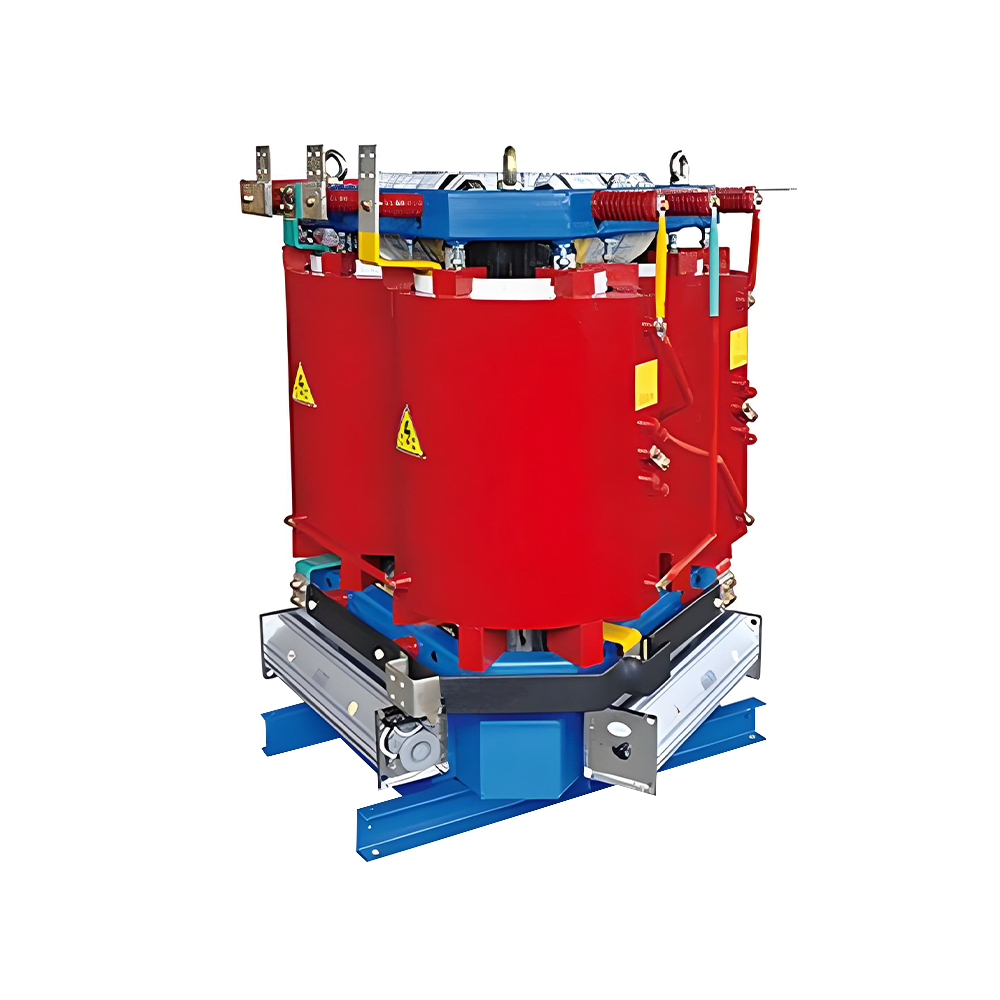
Two construction types dominate the market. Cast-resin windings are vacuum-cast in epoxy, giving strong protection against dust, moisture, and chemical vapor; they are the preferred choice in commercial buildings, hospitals, and process plants. Open ventilated dry-type (OVDT) units use varnished coils with free air circulation; they cost less and are easier to rewind, but they need a cleaner environment and stricter air filtration on the enclosure.
For a deeper look at the electromagnetic theory and selection logic behind these machines, see our guide to three-phase power transformer engineering principles and selection criteria.
Key Ratings for a 3 Phase Dry Type Transformer
Six nameplate ratings will determine whether a 3 phase dry type transformer matches your load, your utility interface, and your installation site.
| Rated power (kVA) | 30-2500 kVA | Sets the continuous load capacity |
| Primary / secondary voltage | 6/0.4 kV, 10/0.4 kV, 35/0.4 kV | Must match the utility and the load |
| Impedance voltage (Uk) | 4%-6% | Limits through-fault current |
| Insulation class | F (155°C) / H (180°C) | Defines thermal overload margin |
| Ambient temperature | 40°C standard, 50°C tropical | Higher ambient forces derating |
| Noise level | 55-65 dB(A) | Drives enclosure and room design |
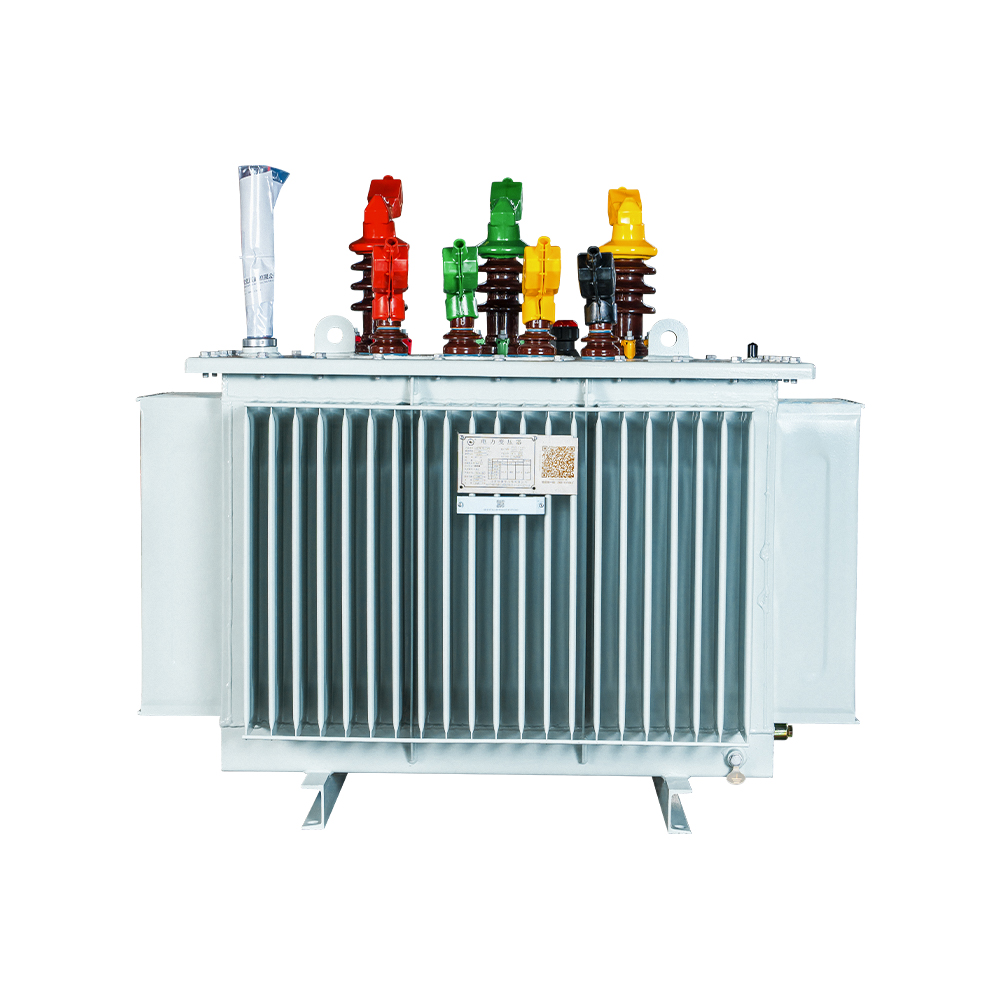
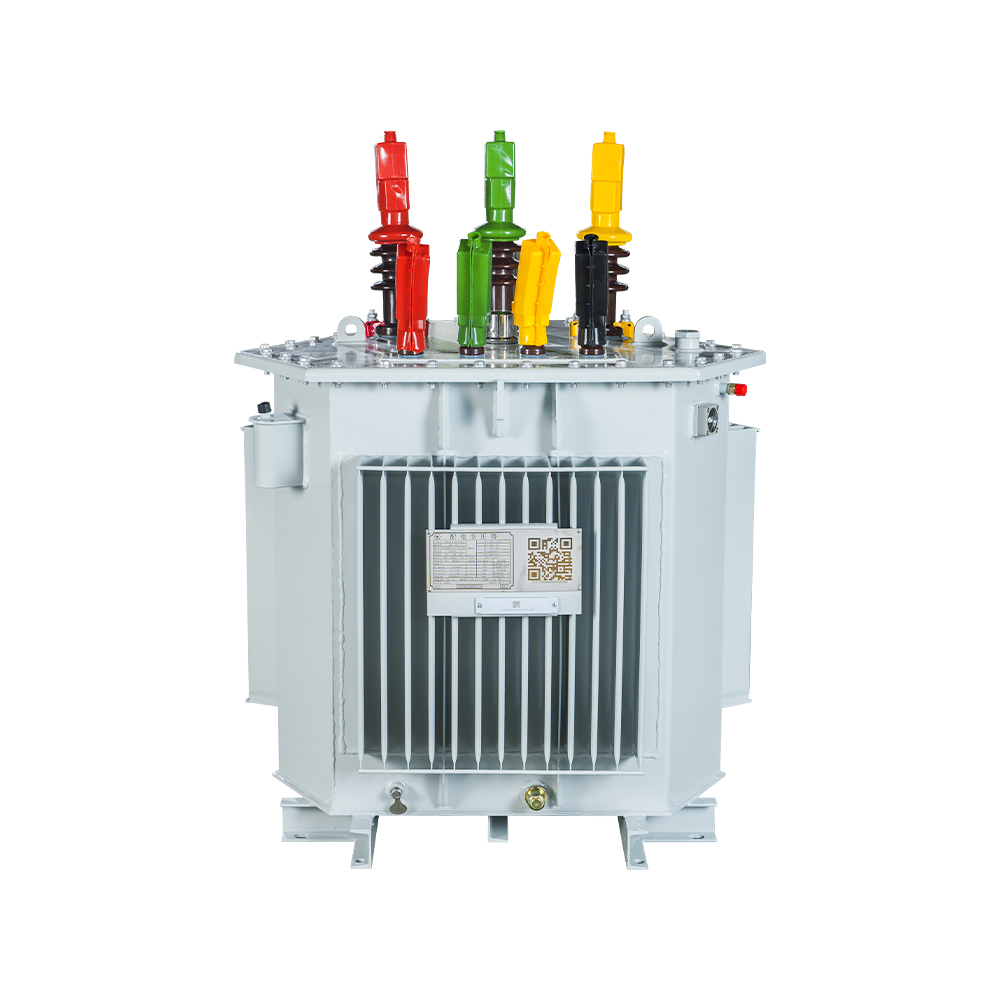
The primary side connects to the utility distribution voltage, and the secondary is almost always 0.4 kV for low-voltage plants. Jiangsu Hengyuan Transformer Co., Ltd. covers these ratings in its 6-35 kV three-phase transformer range, which includes both dry-type and oil-immersed variants.
Dry Type vs Oil-Immersed: The Real Trade-Off
Choose a 3 phase dry type transformer when the unit will be installed indoors, in a high-rise building, or close to people; choose oil-immersed when the unit sits outdoors and lowest cost per kVA is the decisive factor.
Dry type delivers
- Zero combustible liquid, no containment pit
- Indoor installation without a fire-rated vault
- Minimum routine maintenance
- First cost roughly 30%-50% higher per kVA
- Lower sustained overload margin
Oil-immersed delivers
- Lower first cost and higher overload capacity
- Oil containment and fire-rated room required indoors
- Periodic oil sampling and DGA diagnostics
- Proven outdoors in utility substations
- Available in larger single-unit ratings
Core Material Choice: Amorphous Alloy vs Silicon Steel
The core material is the single largest factor in the no-load loss of a transformer, and no-load loss is constant - it runs 24 hours a day whether the unit is loaded or not.
Grain-oriented silicon steel (CRGO) is the conventional choice and gives the lowest purchase price. An amorphous alloy core cuts no-load loss by 60%-80%, but the material costs more and the core is slightly larger for the same rating.
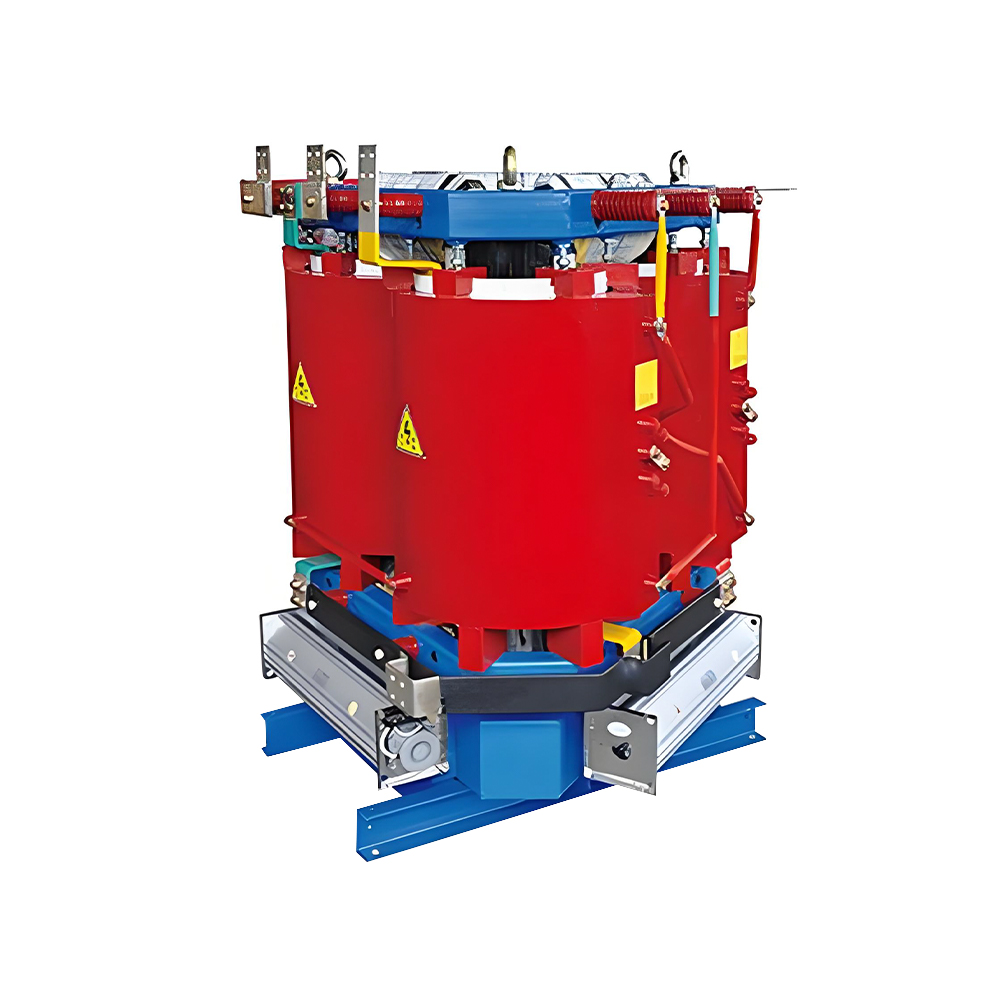 Amorphous Alloy Core Dry-type Transformer for Low No-load LossThis transformer uses an amorphous alloy core to cut no-load loss by 60-80% compared with CRGO silicon steel, making it a strong choice when continuous low-load operation drives energy costs.View Product →
Representative no-load losses at rated voltage and frequency for a 1000 kVA class dry-type transformer.
For a transformer energized continuously but loaded at only 40%-60% of rated power, the amorphous core usually pays back its 15%-30% price premium in three to five years through reduced iron loss. High-grade silicon steel is a middle path with faster payback when the load factor is higher.
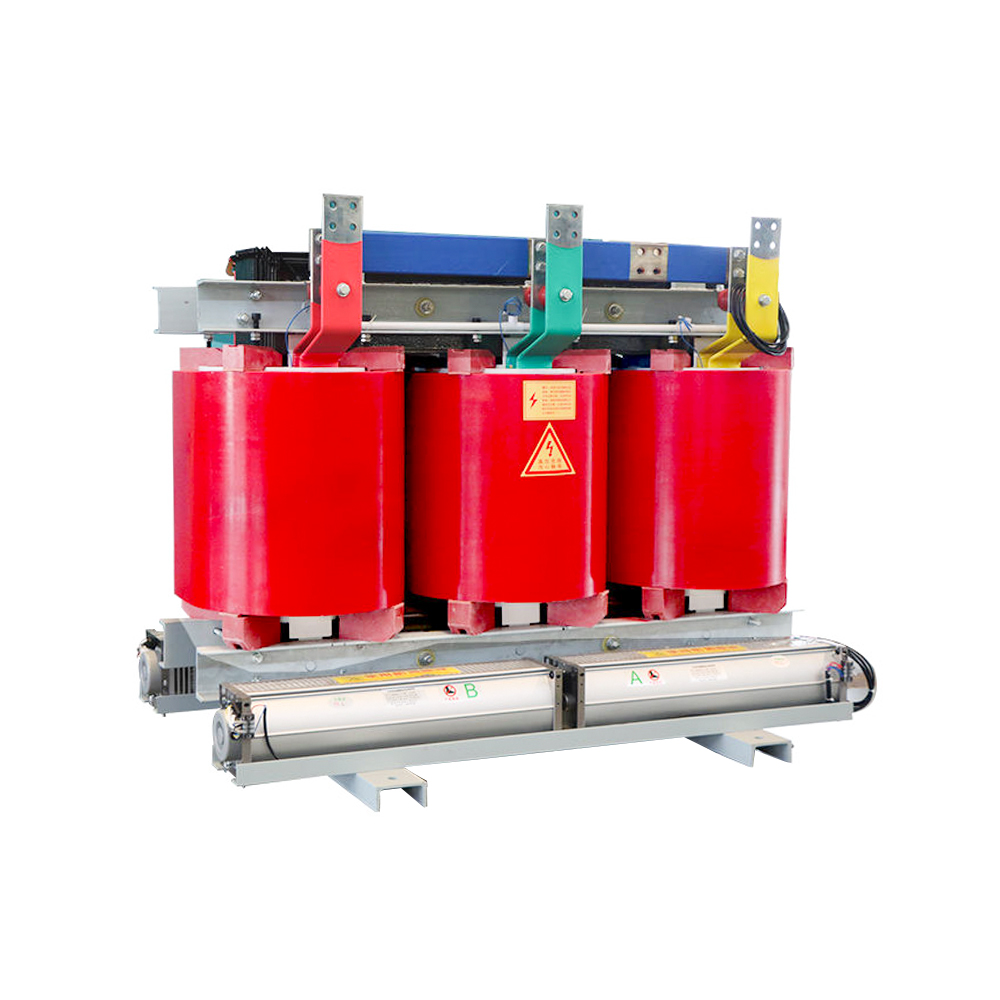 Epoxy-cast Three-phase Dry-type Transformer with Silicon Steel CoreOffered in SCB12-NX3, SCB14-NX2, and SCB18-NX1 efficiency classes, this epoxy-cast dry-type unit suits projects needing fire safety and low maintenance while balancing first cost against energy savings.View Product →
How to Select a 3 Phase Dry Type Transformer in Six Steps
Selection converts load data into a nameplate through six steps, and the same sequence works for a 100 kVA workshop unit and a 2000 kVA plant substation.
- Calculate the total connected load in kW from equipment schedules and motor nameplates.
- Apply a demand factor of 0.7-0.85 for mixed industrial loads to estimate maximum demand.
- Convert demand to kVA by dividing by the average power factor (0.85-0.95).
- Add 15%-25% margin for future expansion and motor-start voltage dips.
- Confirm the primary and secondary voltages plus the vector group; Dyn11 is the common distribution standard.
- Check the short-circuit impedance and withstand rating against the available fault current at the point of installation.
If the project also requires MV ring-main units, LV switchgear, and metering in one footprint, the transformer can be integrated into a compact substation enclosure instead of being installed as a standalone unit - this shortens site work and simplifies utility approval.
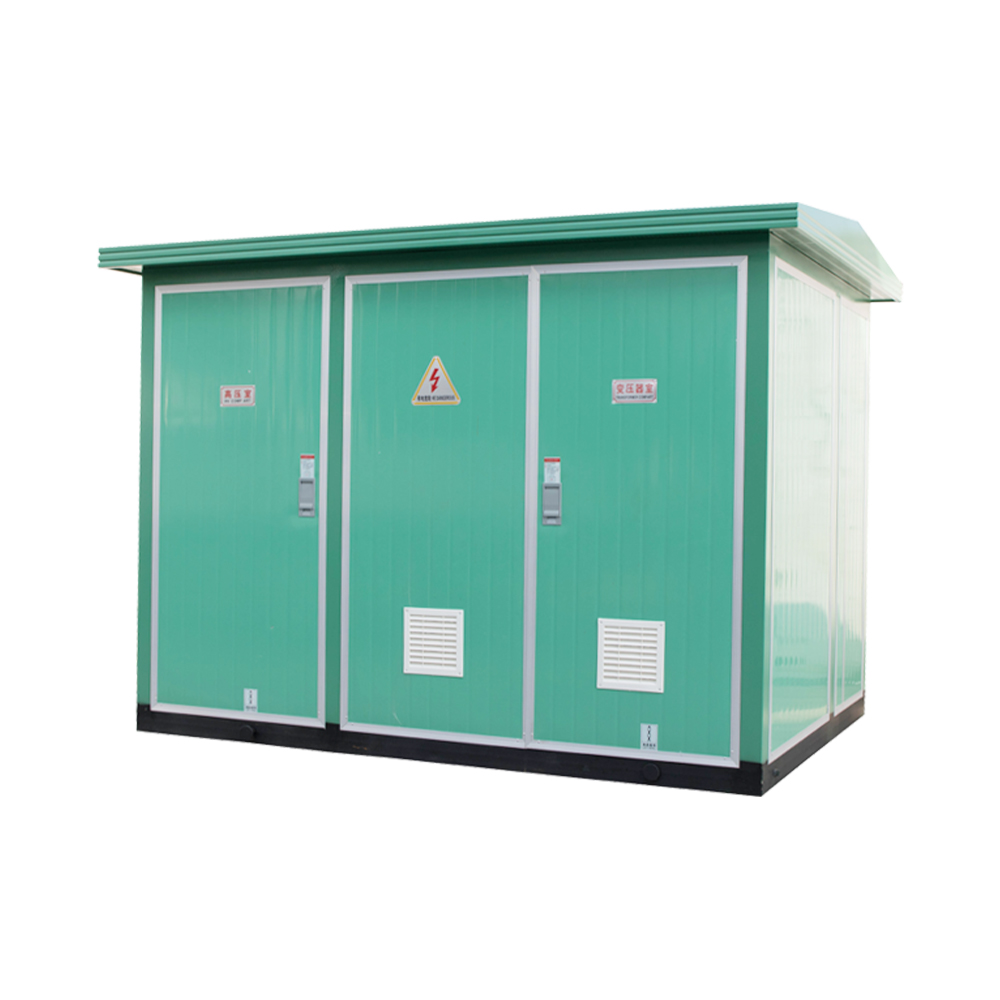 YB Series European-style Compact Substation with Integrated TransformerFactory-assembled substation combining HV switchgear, transformer, and LV distribution in one weatherproof enclosure, rated for 6-35 kV primary and 100-2500 kVA transformers, ideal for compact urban or renewable sites.View Product →
Installation and Maintenance Practices That Prevent Downtime
Three factors account for most avoidable failures in a dry-type transformer: moisture, blocked airflow, and loose connections.
- Keep clearances: at least 300 mm from walls to the enclosure, and 800 mm of working space at the front.
- Never block ventilation openings; size the room airflow from the transformer's published total loss.
- Specify an IP54 enclosure for dusty or humid areas; standard IP2X is only touch-proof.
- Measure insulation resistance with a megger before first energization and after long outages; readings below 100 MOhm at 1000 V indicate moisture.
- Torque connections annually and run a thermographic inspection after peak-load days.
- Set the MV overcurrent protection at about 125% of rated current and install surge arresters on the primary side.
Frequently Asked Questions
How long does a 3 phase dry type transformer last?
With reasonable loading and an annual inspection routine, a dry-type transformer typically stays in service for 20 to 30 years. Thermal aging determines life: keeping the winding hotspot below the insulation class temperature preserves the design lifetime.
Can a 3 phase dry type transformer be installed outdoors?
Yes, when the enclosure rating is at least IP54 and the cabinet is shielded from direct sun. Outdoor dry-type installations are common on industrial sites, although an oil-immersed unit is usually the lower-cost outdoor option.
What is the difference between AN and AF cooling?
AN means natural air circulation over the windings and is silent. AF adds fans that blow air across the coils and typically raises the rated output by about 33%, at the cost of fan noise and a small additional maintenance item.
Are amorphous core transformers worth the higher price?
For a continuously energized unit loaded at 40%-60% of rating, the amorphous core premium of 15%-30% is typically recovered in three to five years through lower no-load loss. For units with short operating hours, silicon steel remains the economical choice.
Recommended Products

 Contact

Contact
-

wxj.810@163.com
-

+86-523-82962116
-

No. 111, Guoqing East Road, Chengdong High-tech Industrial Park, Taixing City, Jiangsu Province, China
Copyright © 2026 by Jiangsu Hengyuan Transformer Co., Ltd. Rights Reserved.
